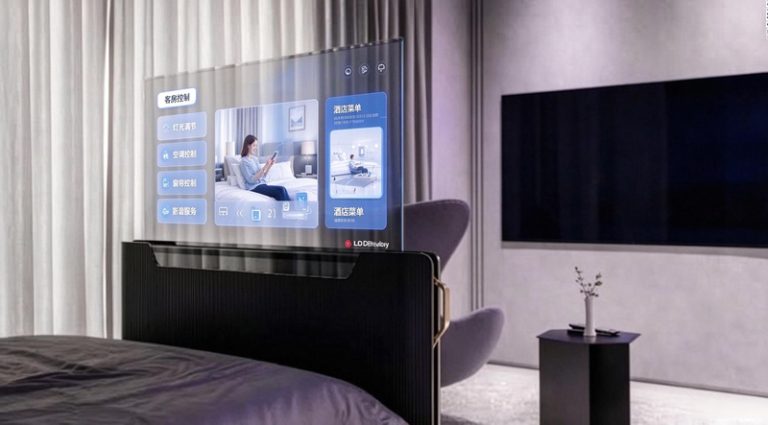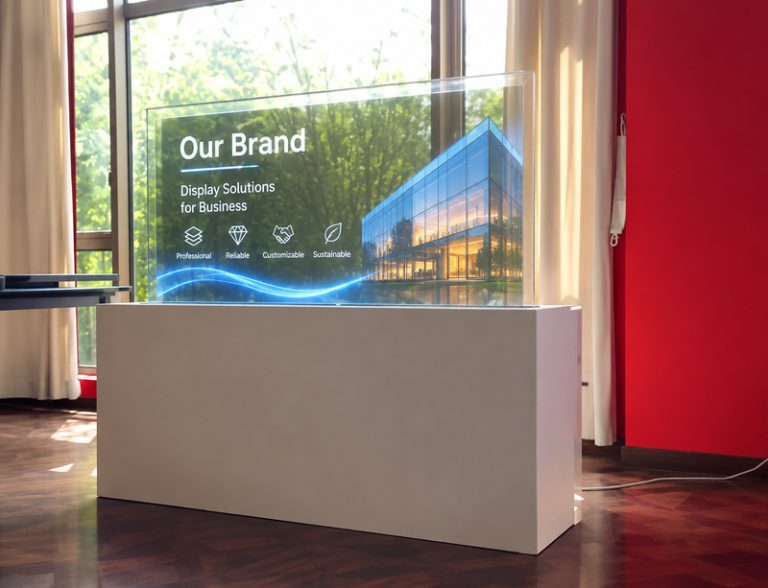

When visitors approach a ceramic object in a display case, they often notice its shape first, then move closer to examine the glaze and decoration. Transparent displays for museum cases can show the object’s name, date, or a note about a detail beside the object itself. Before buying, bring curators, exhibit designers, and museum operations staff together to review a sample in the context of the same case.
10 Questions to Ask Before Buying Transparent Displays for Museum Cases
What should the display help visitors understand? Decide whether it will direct attention to a detail, provide background, or introduce several objects in turn. That determines how much text to show and where to place it.
Where will visitors stand? Mark the main viewing position and the side approaches on the case drawing. Use the sample to see whether the text overlaps decoration or inscriptions as visitors approach.
Can we test the sample with the planned case glass? Position the screen, glass, and object as close to the final layout as possible. From outside the case, check whether reflections from light fixtures fall across the object or the text.
Can we keep the planned case lighting? Test the content under lighting approved by the museum. If a light-colored object or back panel makes the text hard to read, try moving the text first. The museum can then assess whether any fixtures need to move.
What operating information does the museum need to review? Ask the supplier for the proposed unit’s power consumption, heat dissipation, and installation requirements. The museum can review these alongside the case design and the object’s display conditions. Decisions about object conservation remain with the museum.
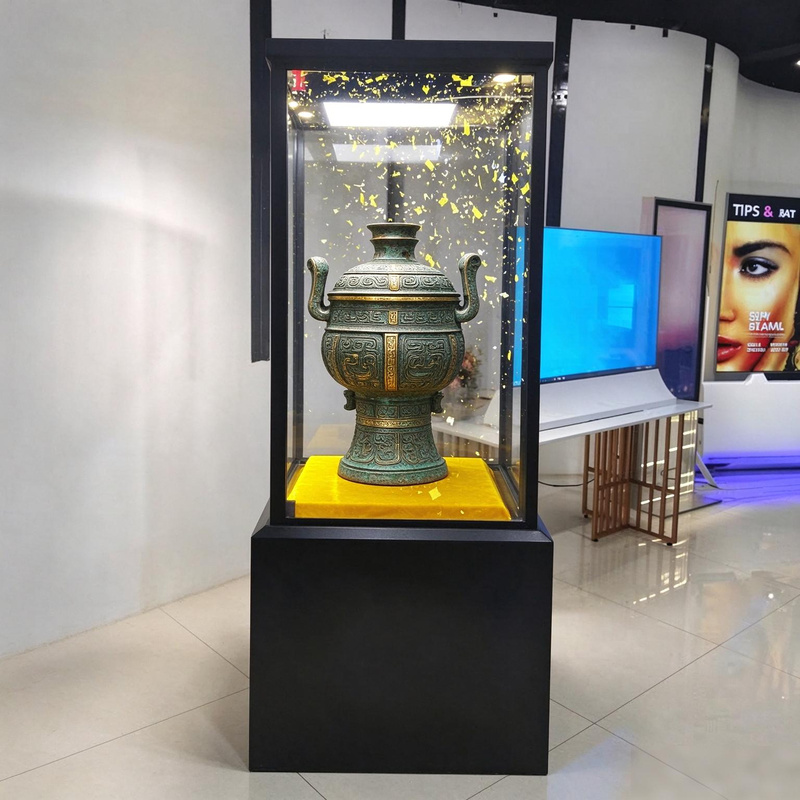
How will the screen fit into the existing case? Confirm whether it will sit in front of the glass, behind it, or within the case structure. For an existing case, mark where the museum permits alterations.
Where will staff access the unit for service? Have the design and operations teams walk through the removal process. Check whether staff can reach the unit from the planned service side and whether the object needs to be removed first.
Who will approve and maintain the on-screen content? Assign responsibility for checking object names, dates, translations, and interpretive text. When objects rotate, someone should also verify that the old content has been replaced.
What will visitors see when playback stops? Check how the case looks with playback stopped and with the screen off. Confirm that visitors can still find essential information on the exhibit label.
What counts as a successful sample test? Record the glass, lighting, content, and viewing positions used. Write down observations the team can check again, such as “The decoration is visible from the front” or “The object name is legible from the side.”
Frequently Asked Questions
Does every museum display case need a transparent screen?
Start with what the existing label has difficulty communicating. If visitors need help noticing a specific detail, test whether a transparent display can direct their attention to it.
How can we test if the actual object is unavailable?
Use a substitute with a similar size, color, and surface finish for the initial review. Once the actual object is in place, confirm the text placement and viewing experience again.
What should the museum and exhibit contractor each review during the trial?
The museum can review object display conditions and interpretive content. The exhibit contractor can check sightlines, how the screen fits the case, and service access. Both teams can use the same test record to confirm the results.
ZXT LCD designs and manufactures transparent OLED, flexible curved OLED, and transparent MicroLED displays for high-end retail, museums, and corporate showrooms. We support custom engineering projects. Share your application, target display size, ambient lighting conditions, and quantity, and our engineering team will get back to you as soon as possible. seethruoled.com