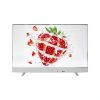
A physical exhibit reveals form. Digital content can explain why that form matters. Transparent OLED for exhibition technology suppliers connects imagery, diagrams, and objects, adding a changing information layer to brand exhibitions, design features, and product experiences.
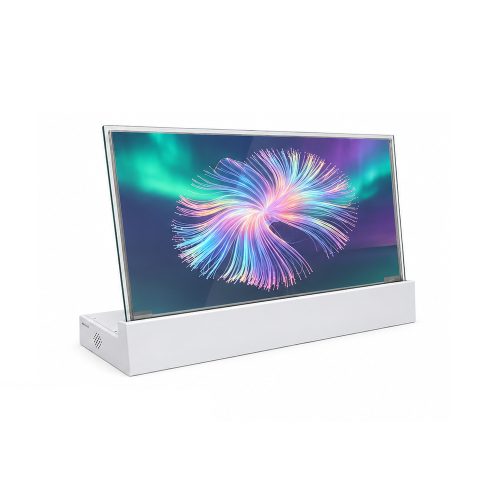
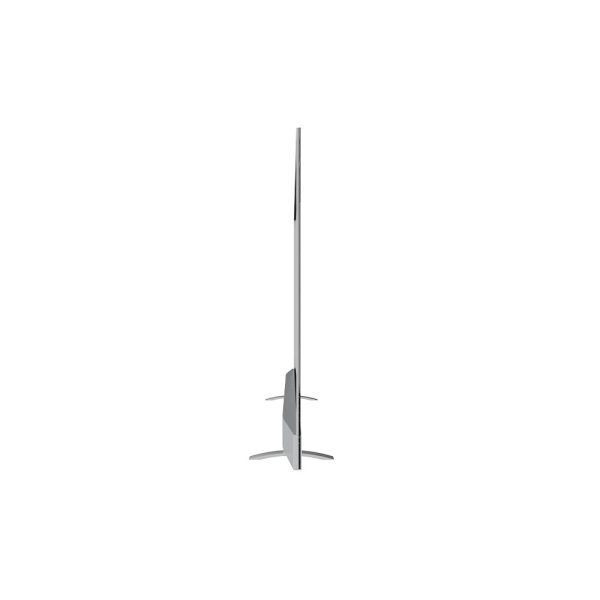
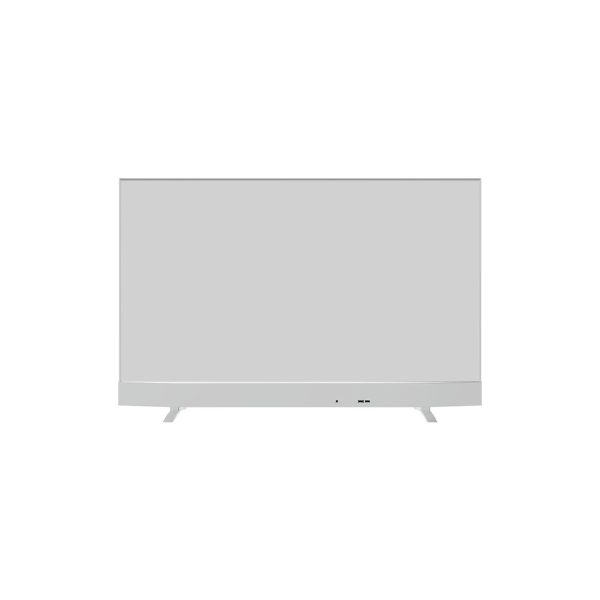
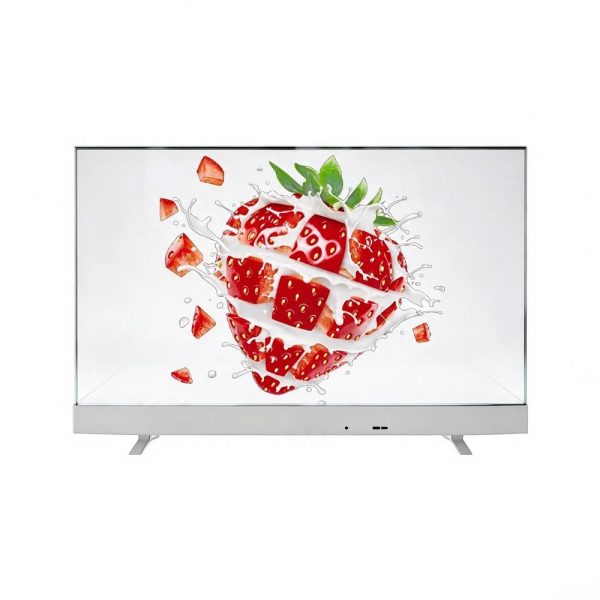
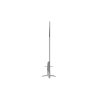
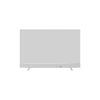
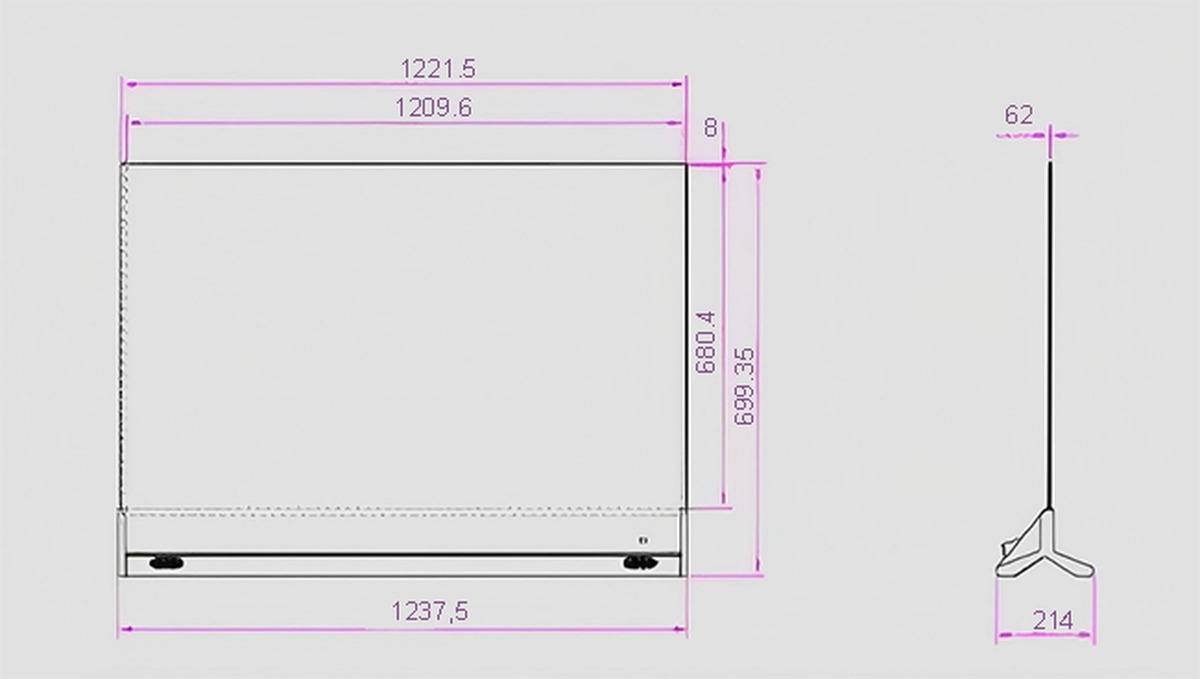
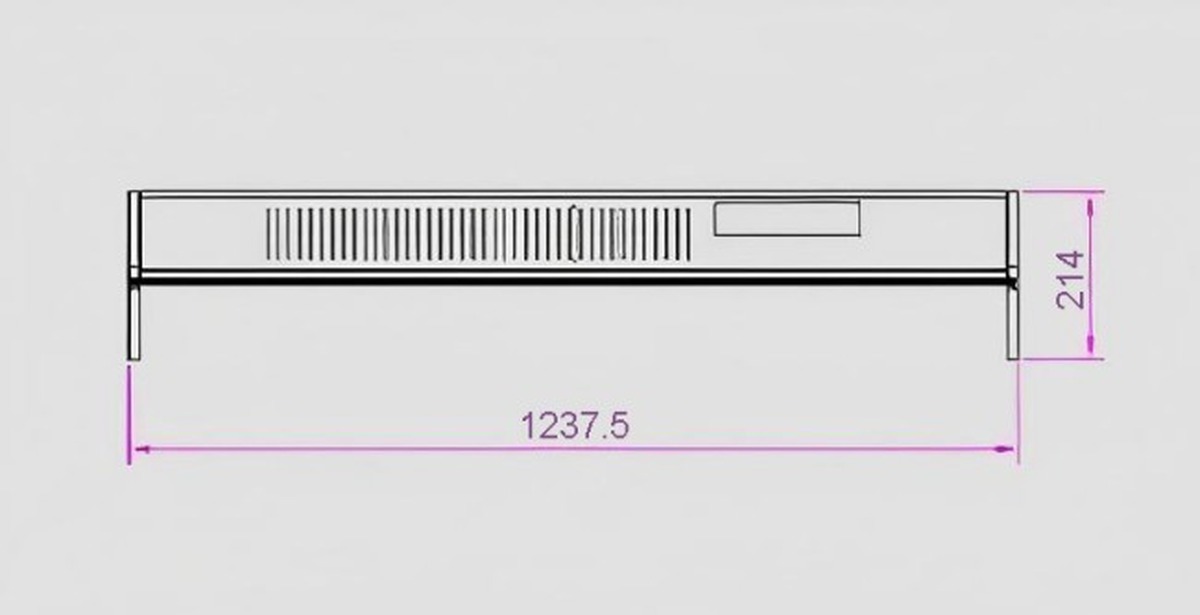
This 55-inch desktop format combines a landscape panel, a silver lower enclosure, and splayed feet at both ends. It can form a standalone display unit alongside samples, models, and themed objects.
Preserve the Object and Add Other Perspectives
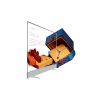
A bag can communicate scale and texture in person while media explains materials and production. A design object can retain its complete form while animation reveals structural relationships.
Transparent OLED for exhibition technology suppliers can build on that complementary approach. Information appears when relevant, with pauses returning attention to the physical exhibit.
Short captions, close-ups, and diagrams can unfold in sections rather than presenting every detail simultaneously.
Make Depth Part of the Story
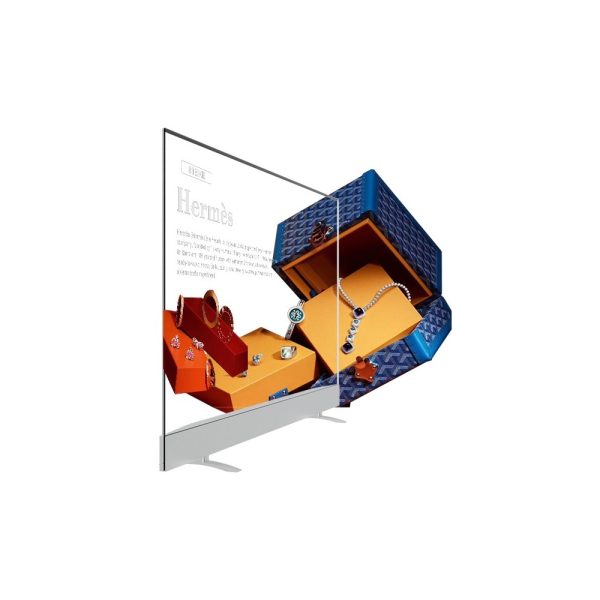
The screen can be considered in front of or near an object, preserving background visibility through reserved areas. Digital imagery and physical presentation then occupy different layers.
Content developed around Transparent OLED for exhibition technology suppliers can use outlines, labels, and detail animations or transition into a complete themed film.
Graphics intended to align with objects can follow a primary viewing position. Broader brand imagery can use more flexible compositions and movement.
A Defined Desktop Format
The silver housing visually supports the panel, while the feet establish separate contact points. Its restrained outline can coordinate with modern tables, material samples, and exhibition furniture.
It can introduce one featured object or become a thematic station within a larger presentation. The physical design leaves the main viewing area to the exhibit and its media.
Carry a Shared Language Across Different Exhibitions
Craft content can explain making, design presentations can connect sketches with finished work, and product exhibitions can explore construction and use.
A Transparent OLED for exhibition technology suppliers project can retain shared headings, captions, and animation styles while introducing different subjects. Each exhibit has its own story within a connected experience.
Frequently Asked Questions
Can it sit in front of a physical exhibit?The presentation can be planned around that layered relationship, using transparent areas and selected imagery.
Does it recognize objects automatically?Object recognition is a separate application requirement, not a standard playback function.
Can it explain internal construction?Prepared cutaways, structural animations, and detail footage can show aspects that are difficult to inspect directly.
Is the apparent floating image a hologram?The image appears on the transparent OLED panel. Content and background design can suggest depth; it is not projected into open air.
Can it serve temporary and permanent exhibitions?Both can be considered, with the equipment package and content planned for the intended use.