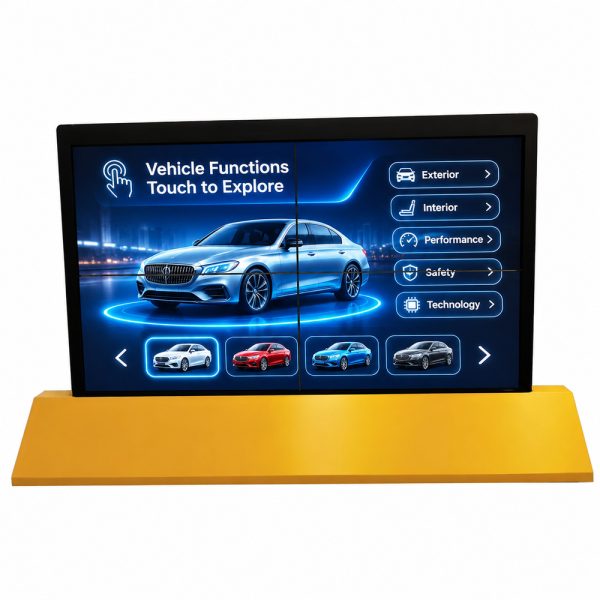
A record store is getting ready to launch a new album. An open vinyl sleeve sits at the center of the window, with a cover proof to its left and a photography booklet open to its right. As shoppers approach along the concourse, a photograph begins to unfold across the screens on the left. Near the center, the image gives way to a view of the record itself. A few steps farther on, behind-the-scenes footage and the time of the launch event appear near the booklet. A transparent OLED video wall built from 55-inch panels gives the store room for all three moments. In the time it takes to walk past the window, shoppers can recognize the artwork, see the physical release, and find out what’s happening inside.
A window people can approach from either direction
Shoppers coming from the left might notice the cover art first. Those approaching from the right might catch a glimpse of the booklet or a short clip from the photo shoot. Each view can stand on its own, with both leading to the record at the center. The center of the composition can open up at several points in the loop, giving shoppers a chance to see the size of the sleeve, the color of the pressing, and the artwork inside the gatefold. Even a brief glance can tell someone which album is being featured and which edition they might want to see in the store.
For people who stop, the screen can pick up a detail they might have missed. A close-up could travel along the fold of the sleeve and pause on the foil-stamped title. Through the open area beside the clip, shoppers can find the same lettering on the printed proof and see how it catches the window light. For record labels and retailers, that gives the physical release its own moment in the campaign. The photography can work at window scale, while the paper, printing, and vinyl color are visible on the objects themselves. Inside, staff can pick up the conversation with the edition shoppers saw, other pressings in the range, or the listening session scheduled for later that day.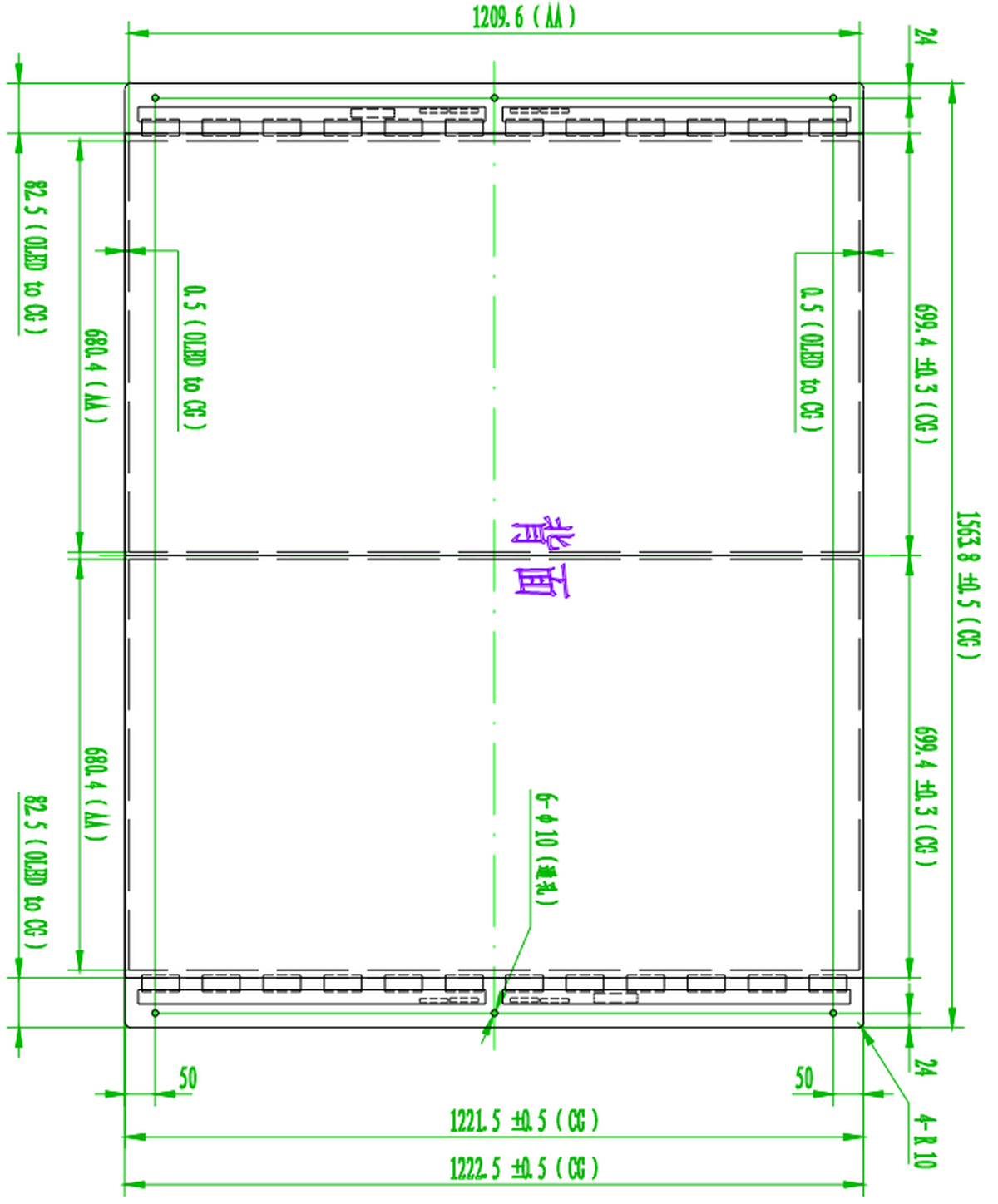
Give each panel a place in the composition
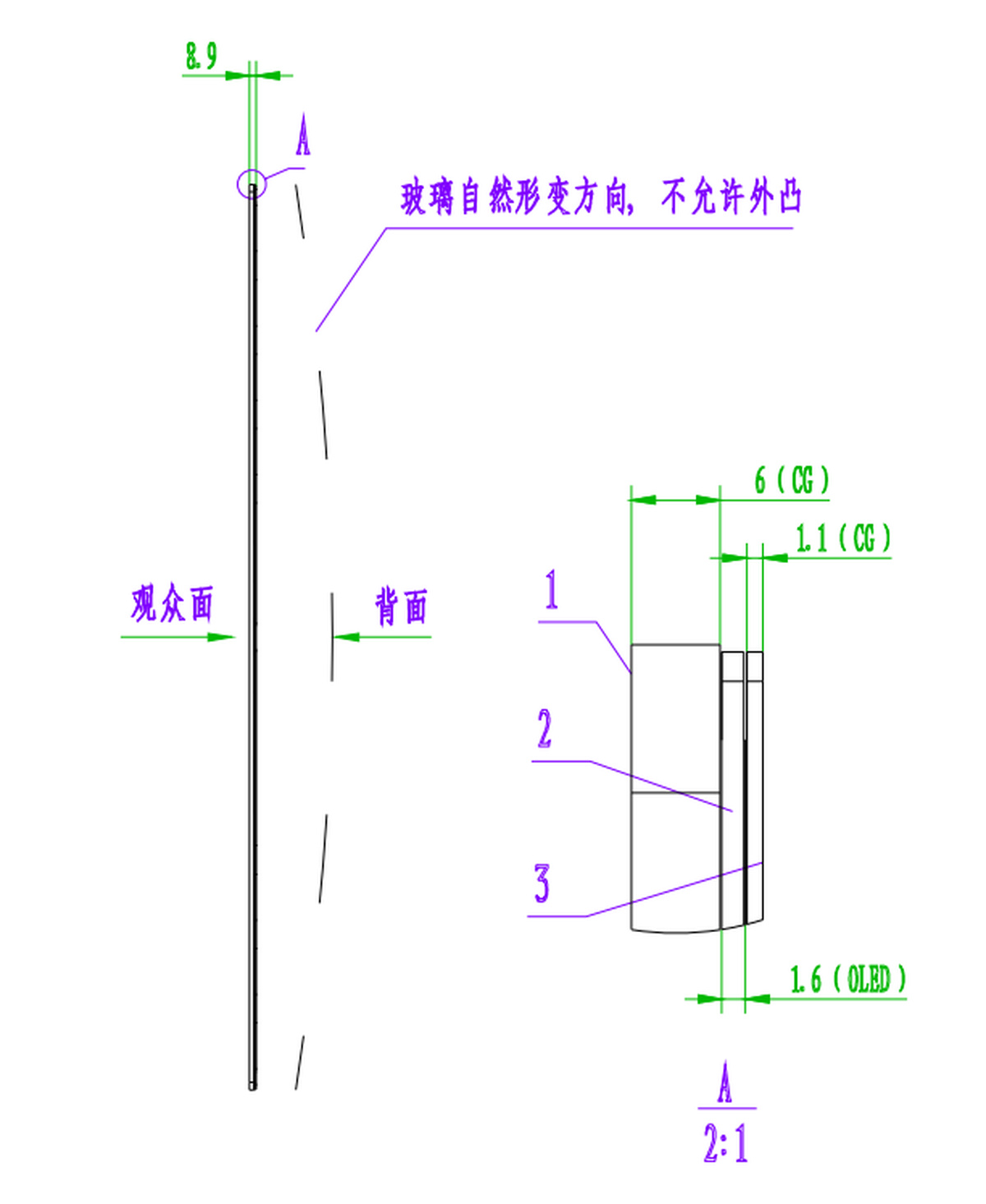
Each 55-inch panel in the transparent OLED video wall has a 16:9 landscape format and an active display area of approximately 1,209.6 × 680.4 mm. Arranged side by side, the panels can carry imagery across the width of the window or give individual images their own space. One cover photograph might end within a panel, with another photograph beginning on the next. The physical join then falls where the composition already changes. Footage can extend across multiple panels, while the album title, event time, and important details can sit within individual display areas. From the concourse, the panels read as one window presentation. Up close, each section gives shoppers something distinct to look at.
With 38% panel transparency and suitable display lighting, open areas in the composition can bring the sleeve, record, and booklet into view at different points in the sequence. Each panel has a native resolution of 1920 × 1080 and a 60 Hz refresh rate for photographs, slow camera moves, and short video clips. A store with a regular release calendar can use the same window for an album launch, a photography feature, and a label anniversary. The objects can change with each event, along with the footage and the invitation to come inside.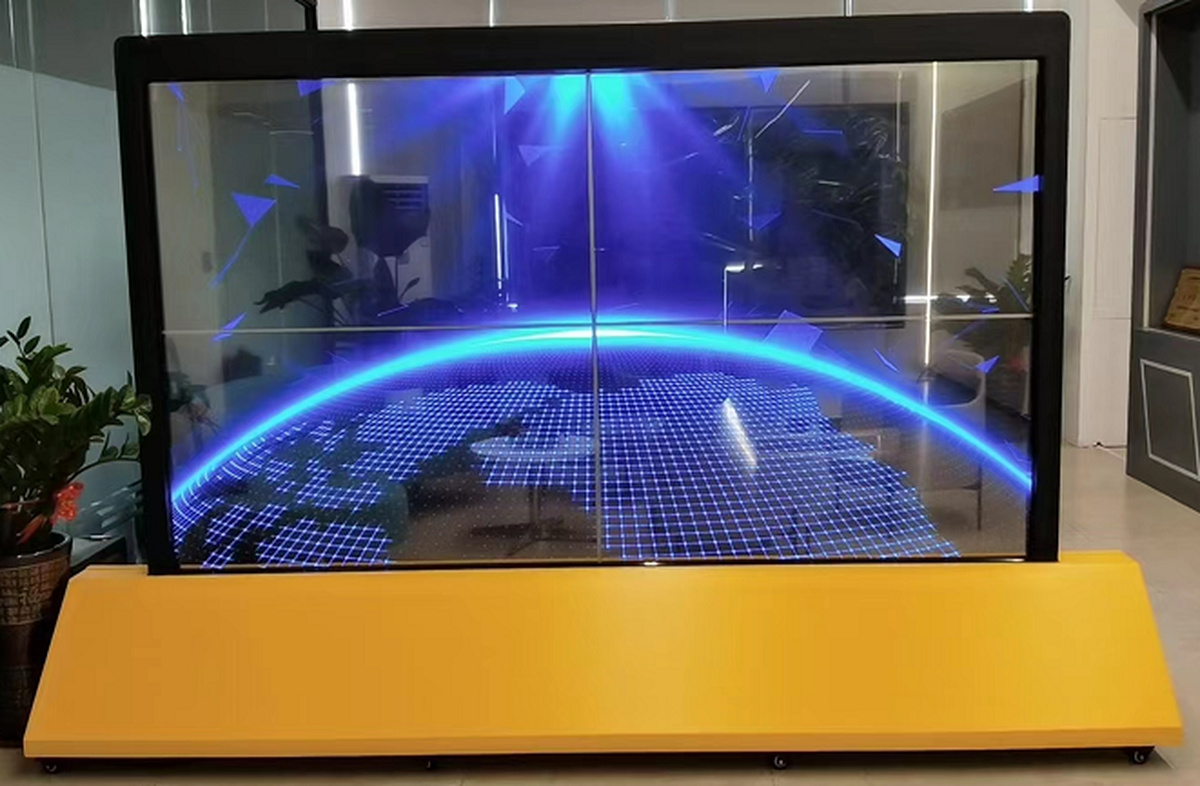
Contact us for a project quote on a 55-inch transparent OLED video wall for a flagship window, a retail launch, or a brand display spanning multiple panels. Share the window dimensions, the pieces you want people to see, and the content you plan to run, and we can discuss a panel layout and signal setup for your project.