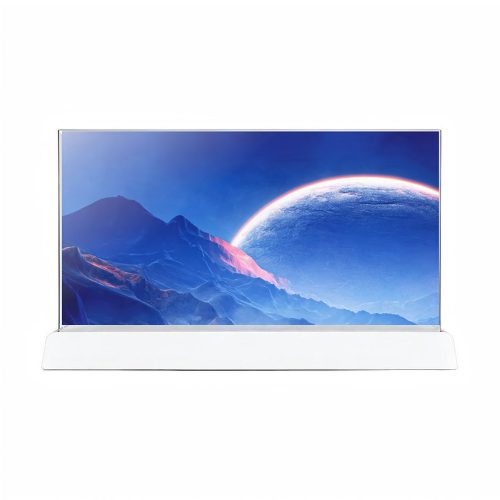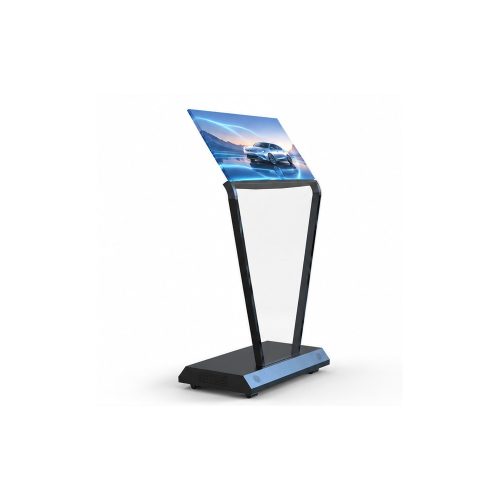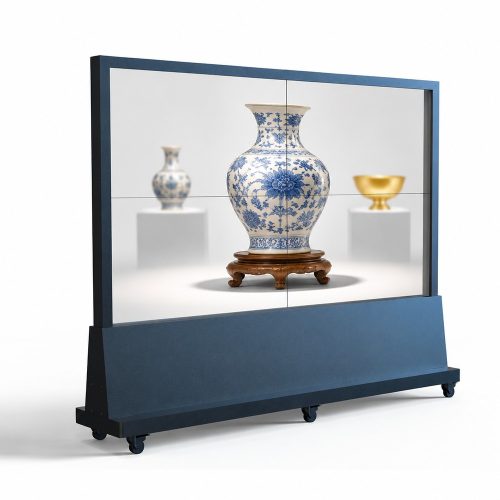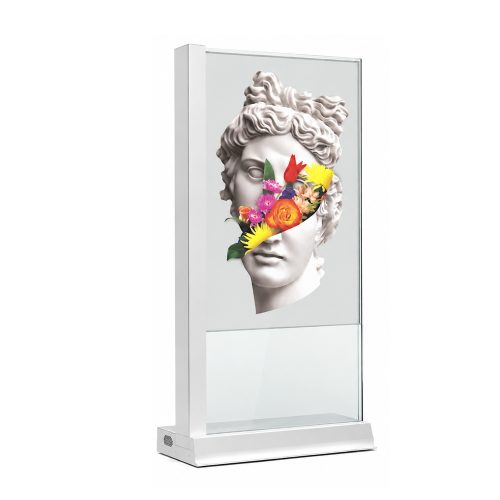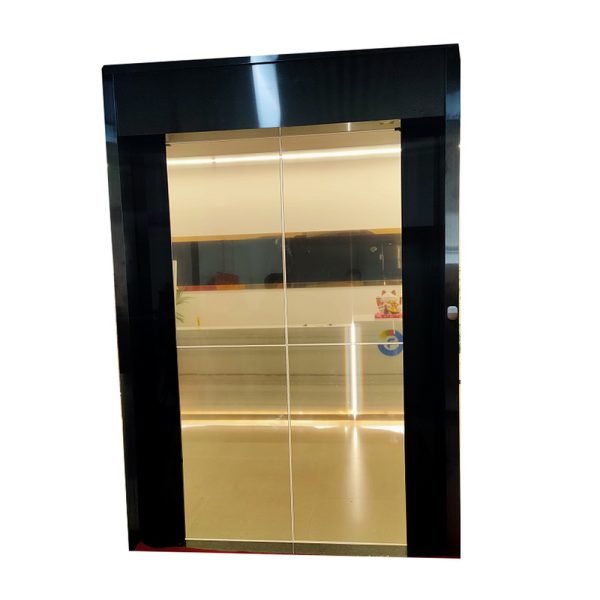
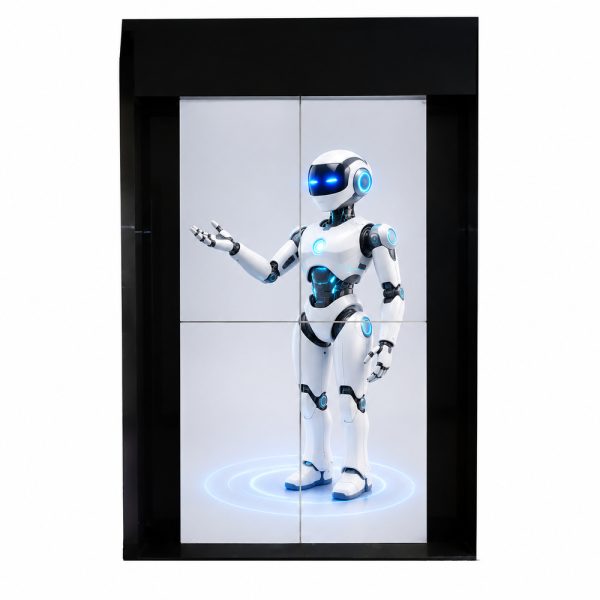
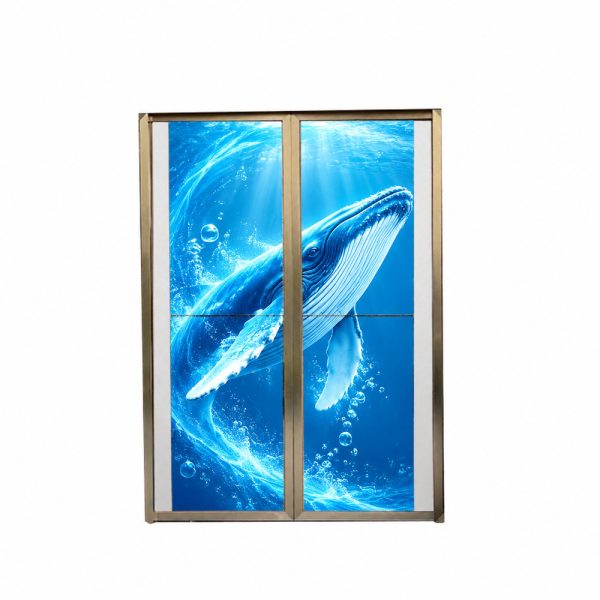
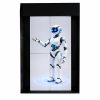

A chef-led dinner can begin the moment guests see the table. Inside the dining room, the glassware catches the light as the service team makes its final preparations. On the door, a short film shows a piece of citrus from the evening’s menu. A knife lifts the peel, the camera holds on the spray of oil, and the name of the seasonal menu appears. From the lounge, guests can watch the film and see the table through the open areas of the composition. A 55-inch transparent OLED automatic door brings that opening scene to the entrance of the private dining room. When the door opens, guests walk toward the table they’ve just seen.
What guests see before they sit down
Picture a seasonal restaurant with a long-table dining room just off its main floor. Guests gather in the lounge while the rest of their party arrives. The film on the door can focus on the beginning of a single dish: a basket of citrus with the leaves still attached, one fruit placed on the counter, and the chef cutting away a strip of peel. As the film ends, a short menu title stays on screen. Through the rest of the panel, guests can see the glassware, flowers, and lighting in the room. They get a sense of the evening while they wait. When the whole party has arrived, the host can greet them at the entrance and pick up the story from the ingredient they’ve just seen.
For a private event, the same entrance gives the host a place to welcome guests. Before a winemaker’s dinner, footage might move from the vineyard to the cellar, with the glasses for the first pour visible through the panel. A brand dinner could put a welcome message to one side and keep a view of the commissioned tableware or printed place cards inside. Guests see the theme while gathering in the lounge and encounter it again as they take their seats. The film, table setting, and welcome can all belong to the same occasion.
An entrance that keeps the room in view
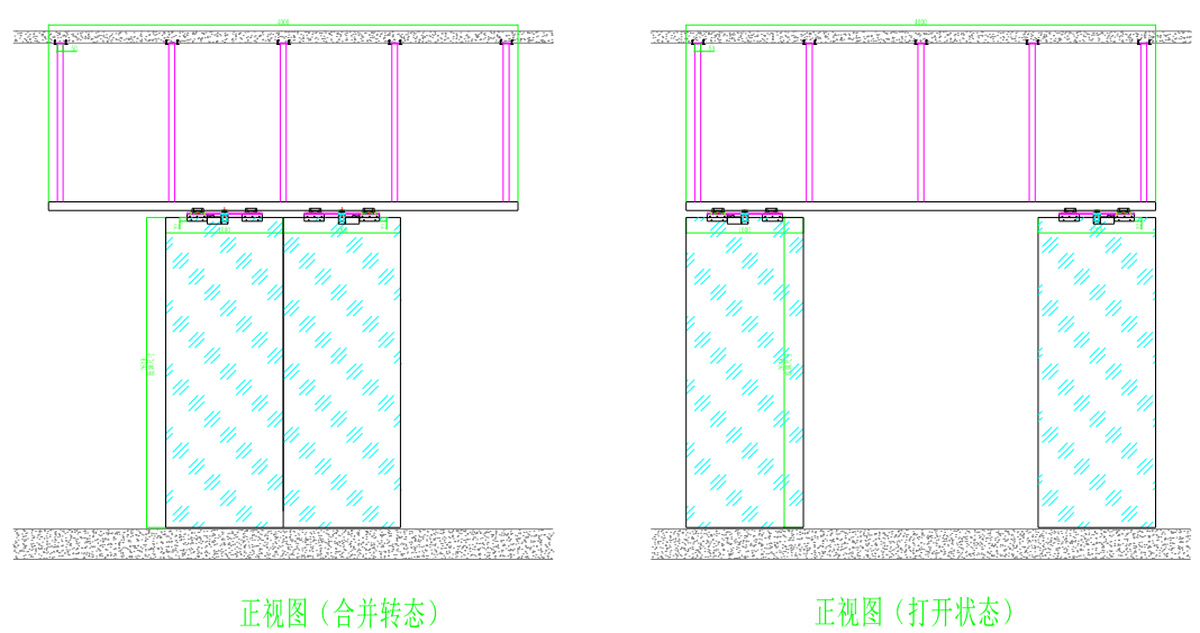
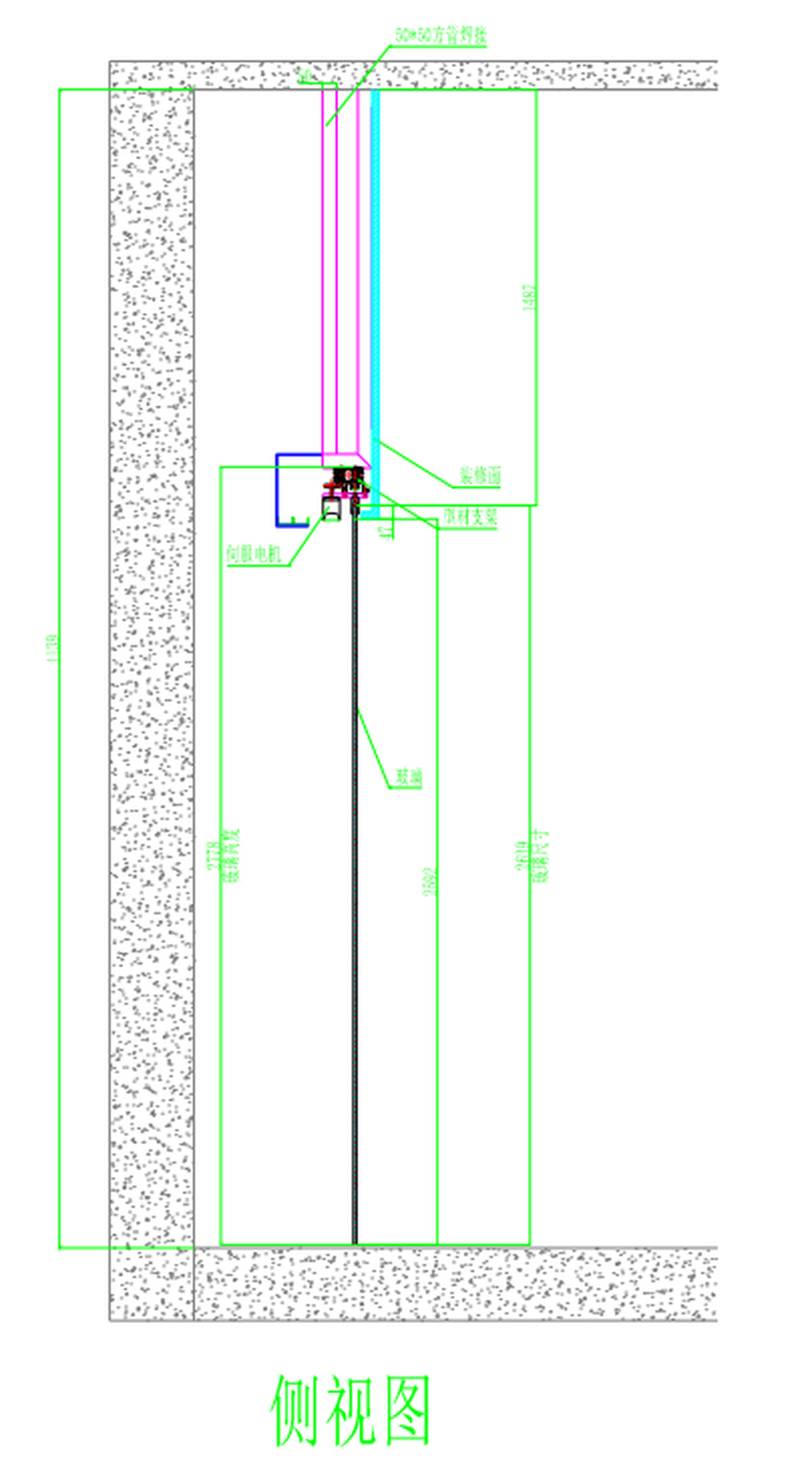
The transparent OLED automatic door features a 55-inch, 16:9 panel with an active display area of approximately 1,209.6 × 680.4 mm. The landscape format gives an ingredient close-up room on one side, with space for a short line of text and a view through the panel. With 38% panel transparency and suitable interior lighting, guests can make out the table setting and see activity in the room. The film can magnify the texture of the peel while the space behind it gives guests a sense of the table, lighting, and depth of the room. For restaurants where the interior is part of the occasion, the dining room itself becomes part of the welcome.
The 1920 × 1080 panel gives food footage, menu titles, and event films room to play in Full HD. The HDMI input accepts signals up to 1920 × 1080 at 60 Hz and can connect to an external media player for different menus or events. The door uses automatic opening and closing controls, with activation options such as infrared or microwave detection available according to the project configuration. As guests approach, the door can open according to the selected control setup. The welcome they saw from the lounge continues inside with the table setting, the first pour, and the opening course.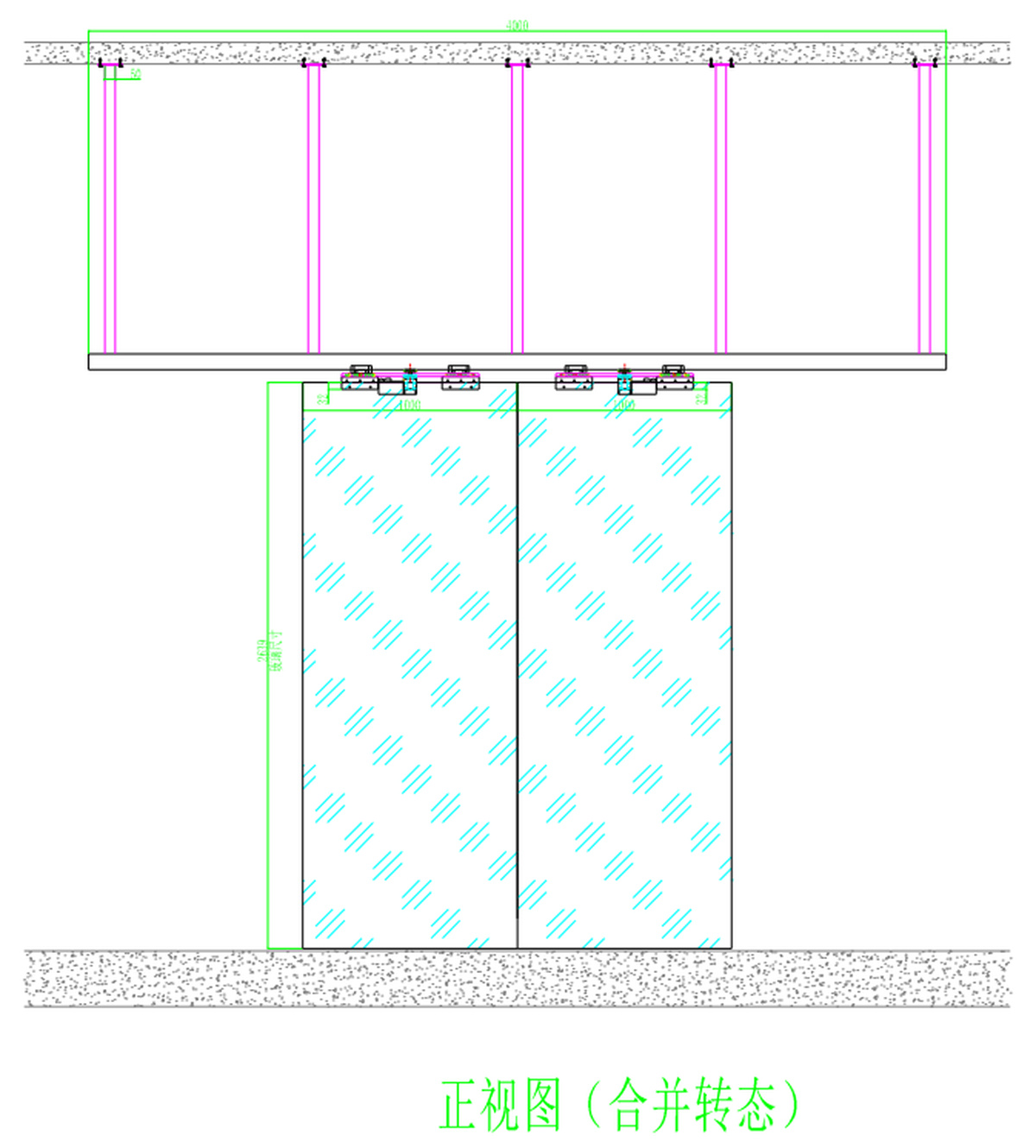
A private dining room can host a business dinner midweek, a chef’s table at the weekend, and a winemaker collaboration the following season. The same entrance can give each event its own opening while keeping the restaurant’s space and service familiar to returning guests. Contact us for a project quote on the 55-inch transparent OLED automatic door for your restaurant, private dining room, or hotel dining venue. We can discuss the entrance layout, welcome content, and door controls for your project.