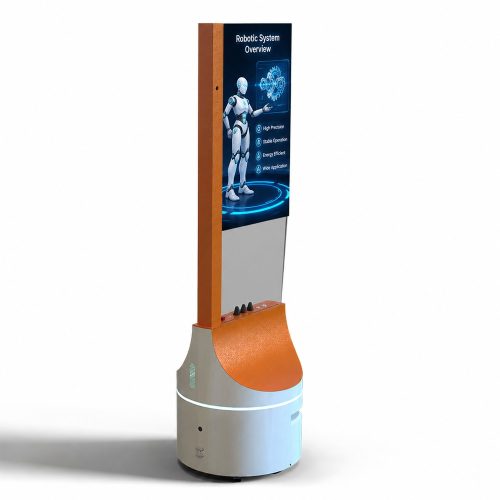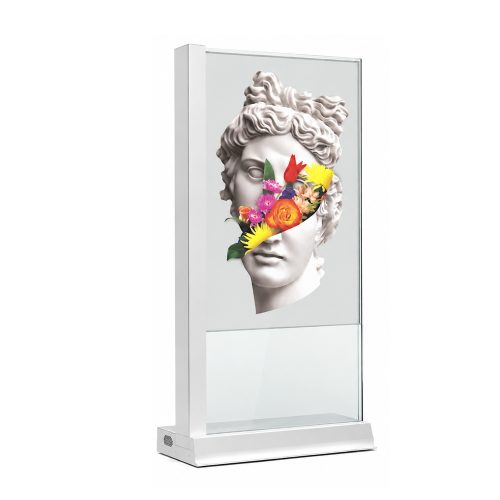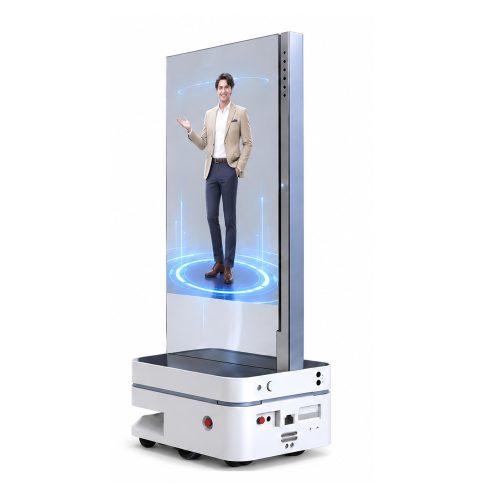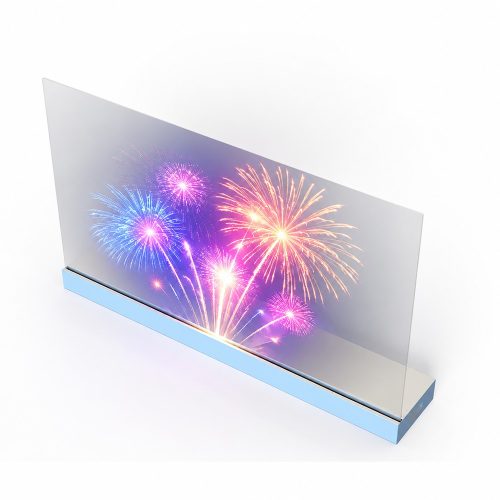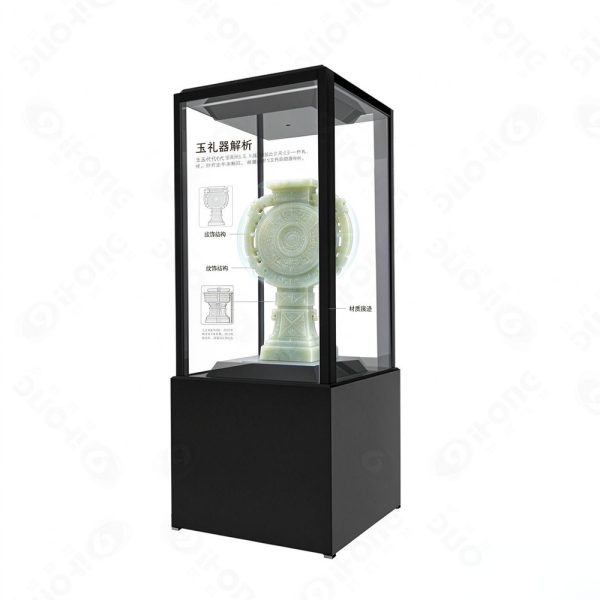
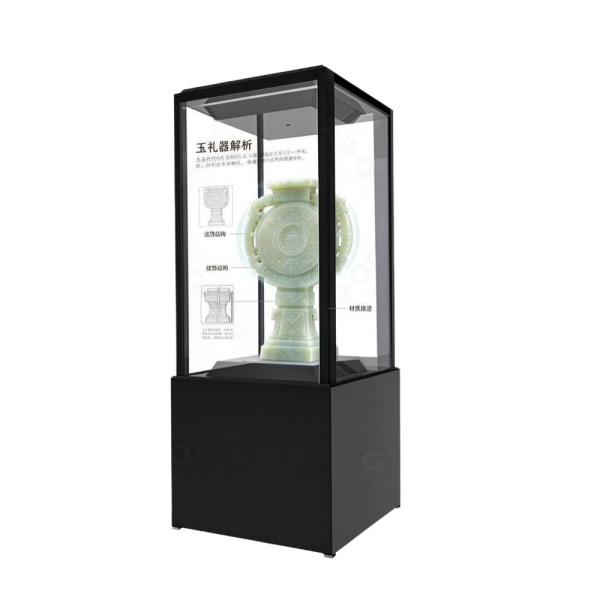
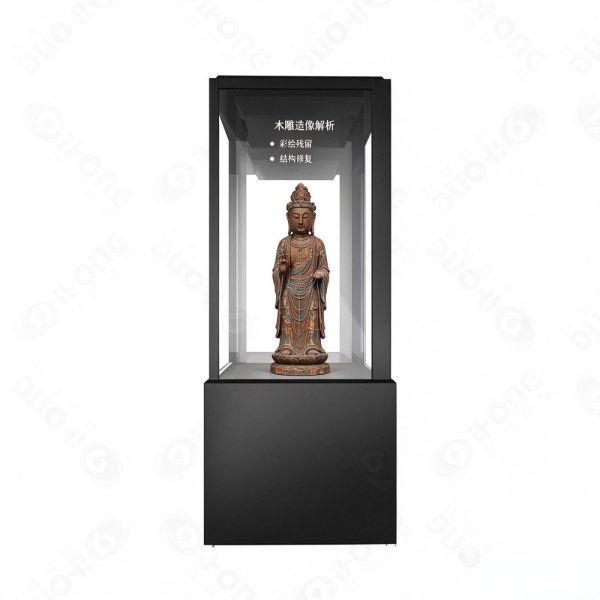
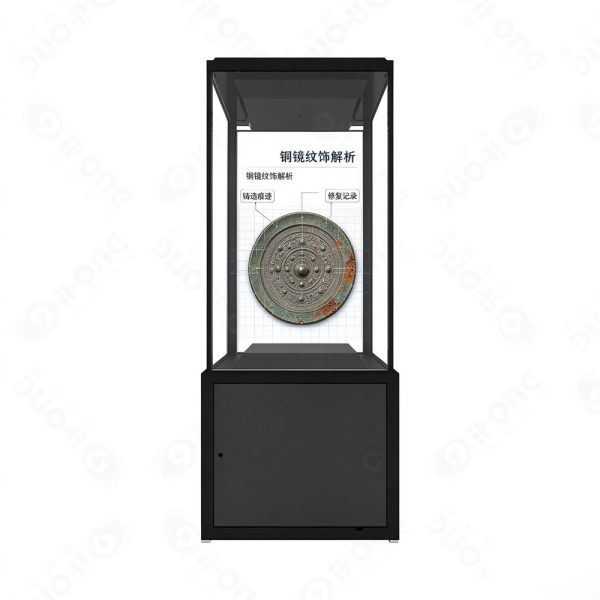
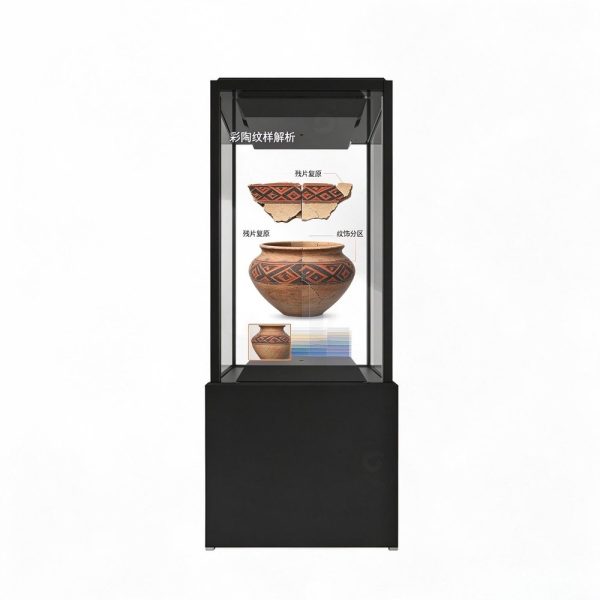
A pattern, a repair, or a change in form can reveal a historical story. This 55-inch Museum exhibition transparent display box brings physical presentation and digital interpretation into the same viewing area, helping visitors explore an object’s making, use, and context.
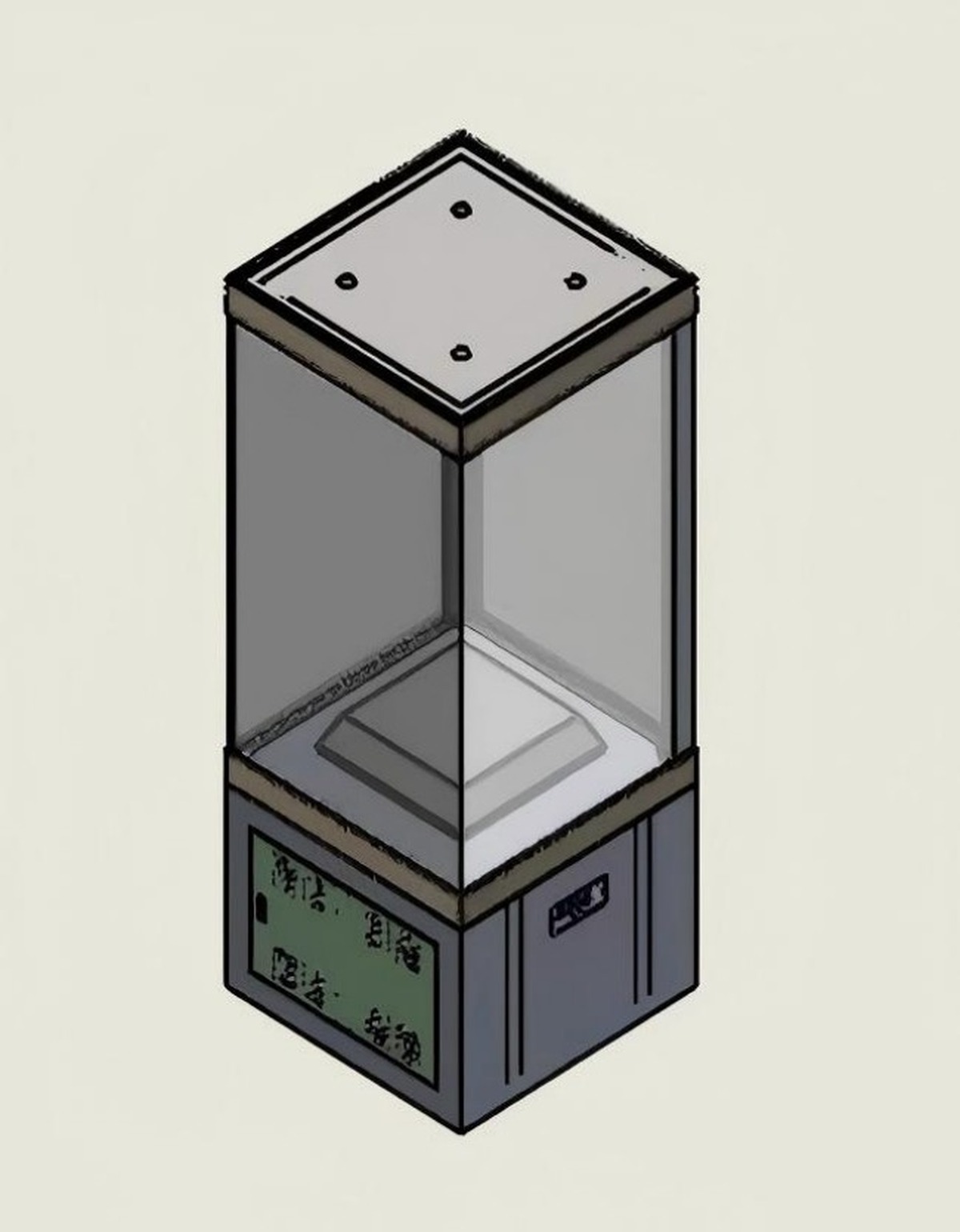
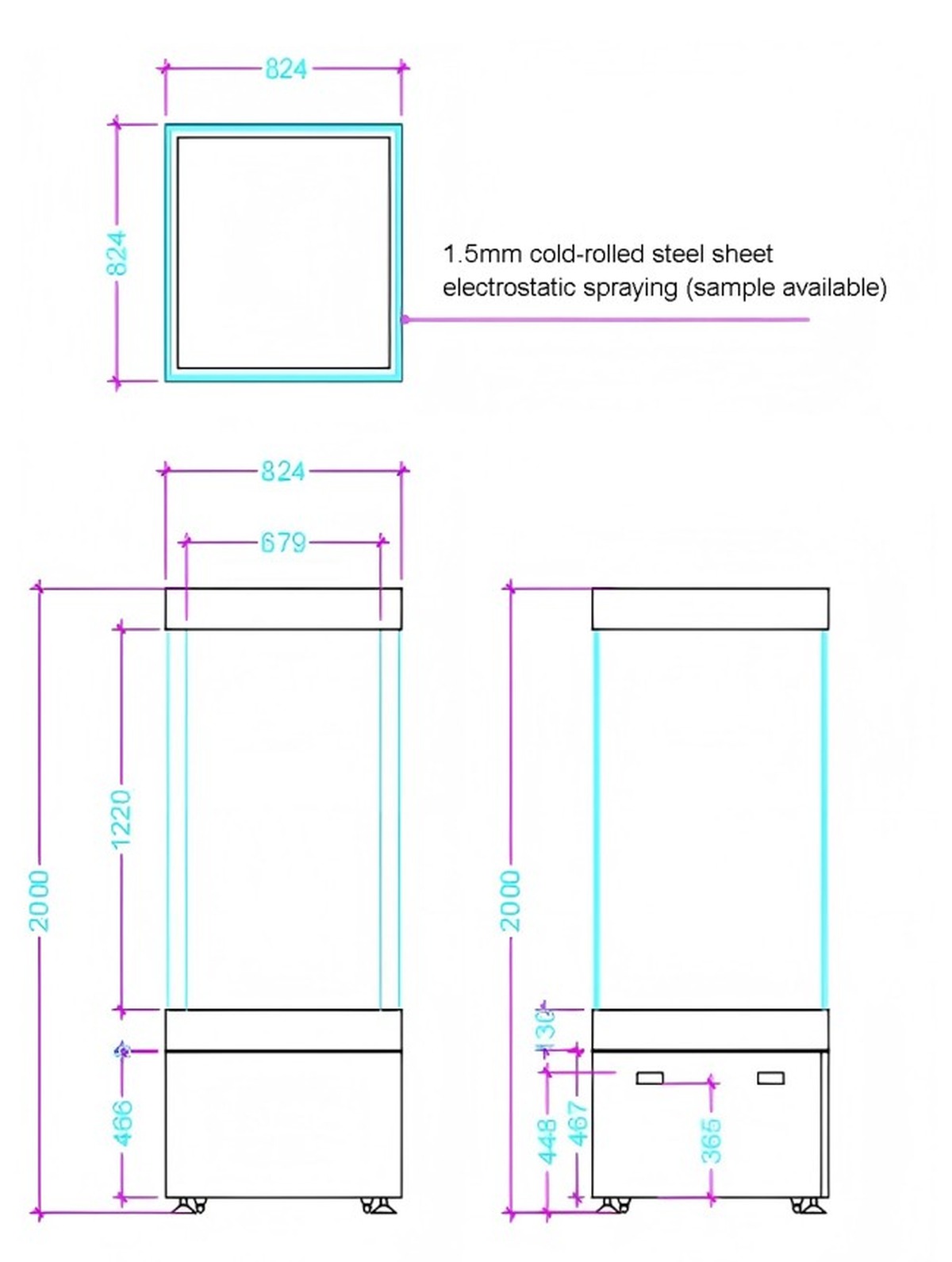
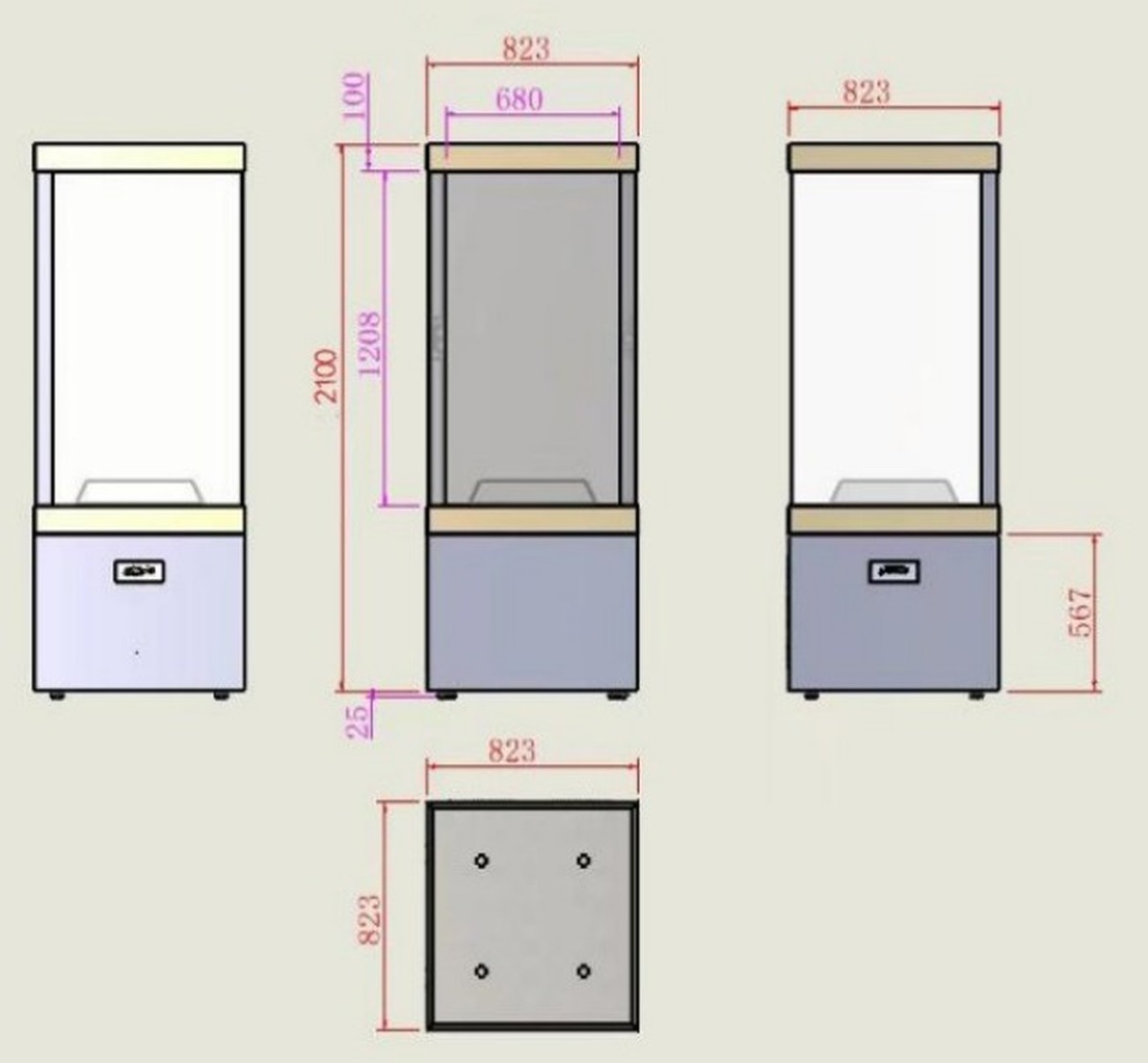
A black upright enclosure defines the transparent upper space above a solid cabinet base. The format can establish a dedicated position for one featured object or a related group.
Move from Seeing a Pattern to Understanding It
Enlarged imagery can reveal decoration before captions or animation explain its arrangement and significance. Visitors first observe the pattern, then discover its relationship with craftsmanship or use.
A Museum exhibition transparent display box can organize this progression: introduce the complete form, explore a detail, add context, and return attention to the object.
Pauses between chapters leave time for direct observation, preserving the physical exhibit’s role.
Explain the Reasoning Behind Restoration
Fragments and reconstructed forms can provide a compelling subject. Media can show fragment positions, comparisons, and reconstruction illustrations in separate stages.
The Museum exhibition transparent display box can carry these explanatory sequences while the object retains its actual condition. Clear distinctions between physical evidence and interpretive imagery help visitors follow the process.
Approved captions can also acknowledge different interpretations where appropriate.
Give the Object and Interpretation a Shared Setting
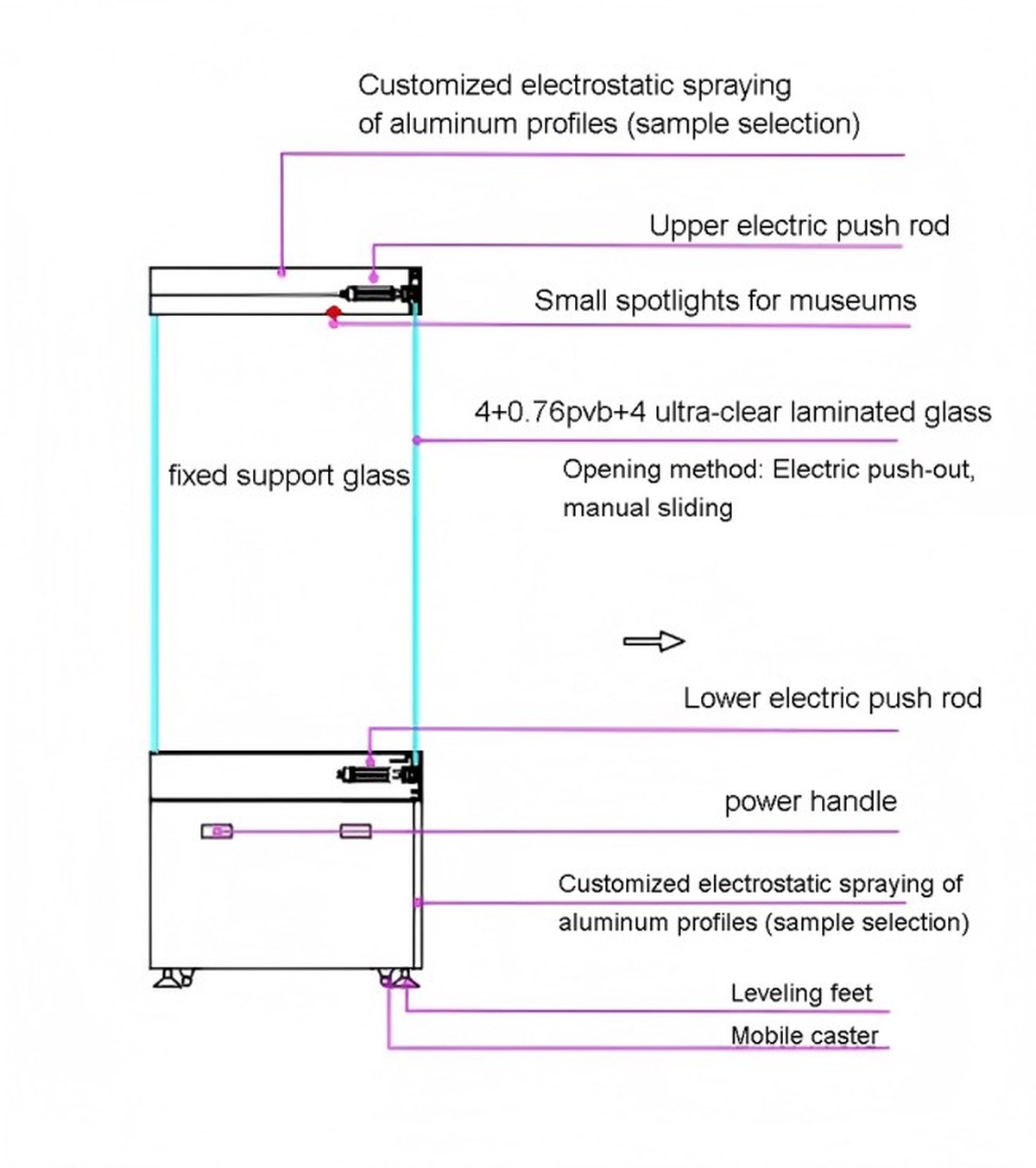
The upper frame establishes a defined exhibit area, while the black enclosure continues into the base. Portrait content can follow the object’s outline or alternate with photographs, diagrams, and short headings.
This complete cabinet form can become a focal point within a themed exhibition. Nearby panels can provide wider historical context while the cabinet concentrates on individual details.
A Museum exhibition transparent display box therefore gives the featured object a focused role within the broader narrative.
Extend the Format Across a Collection
Ceramics, metalwork, craft objects, and design collections can use chapters organized around materials, production, or use.
Consistent captions, symbols, and pacing connect the presentations, while each object retains its own story. New media can introduce another topic without losing that familiar structure.
Frequently Asked Questions
Which objects can it present?Artifacts, craft pieces, collectibles, and other featured exhibits can be considered according to their dimensions and exhibition requirements.
Can it show before-and-after restoration comparisons?Photographs, animation, and diagrams can explain changes while distinguishing actual condition from reconstruction.
Can the imagery explain small details?Enlarged images, captions, and short sequences can introduce decoration, construction, and making techniques.
Are environmental control and security included?Conservation and security facilities are specified separately against the exhibit’s requirements.
Can the object and story change?New topic media can be prepared. Updating follows the selected playback system.