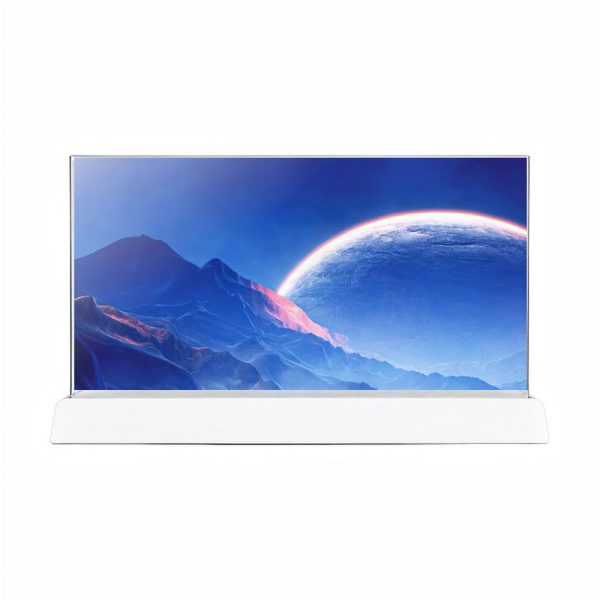
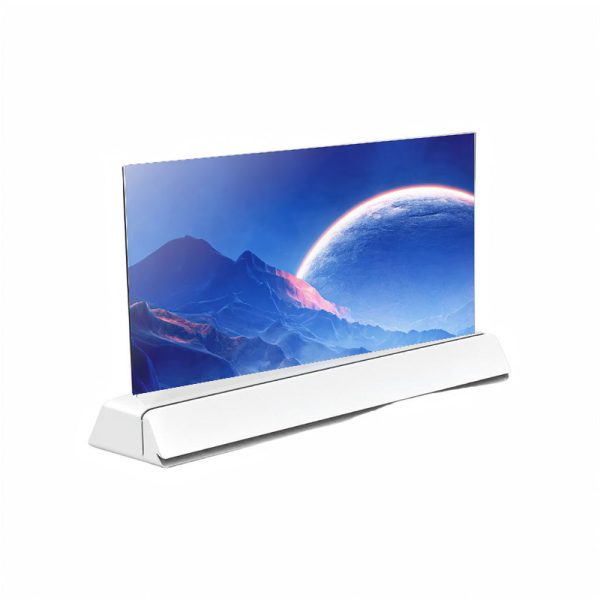
A product collection has several stories to tell: its shared style, individual details, and the relationships between different pieces. This 55-inch desktop transparent OLED display provides a wide landscape canvas for arranging hero visuals, close-ups, and concise supporting information. On brand counters, premium retail displays, and showroom presentation tables, it can introduce a complete collection or focus attention on one featured item.
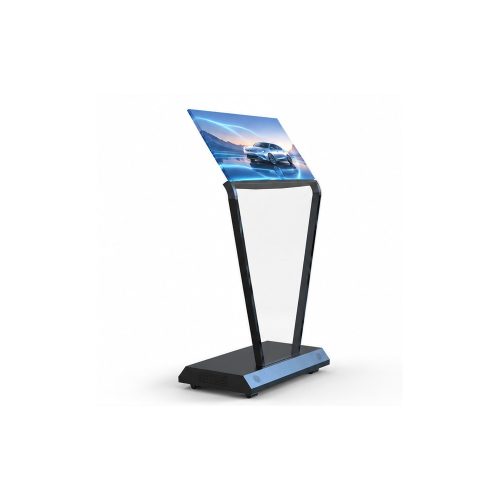
This FHD transparent OLED display offers a resolution of 1920 × 1080 and an active display area of approximately 1209.6 × 680.4 mm. With an image area spanning more than a meter, designers have room to emphasize a central subject while giving supporting information its own place in the composition.
Move from Collection Views to Individual Details
A launch presentation can begin with the complete range, then highlight the silhouettes, colors, or design details of individual products. Jewelry, watches, fragrances, and accessories can use the landscape layout to place brand imagery alongside focused product information.
Every element does not need to appear at once. A sequence that introduces the range, moves into close-ups, and returns to the collection gives viewers a clear visual path. Staff can coordinate their explanation with the presentation, making the screen part of the conversation.
Transparency adds another layer to the composition. Physical merchandise, materials, and colors behind the panel contribute to the finished appearance. Digital content should therefore be developed alongside the surrounding display. Keeping backgrounds simple behind text and leaving space around the main subject can help maintain clarity.
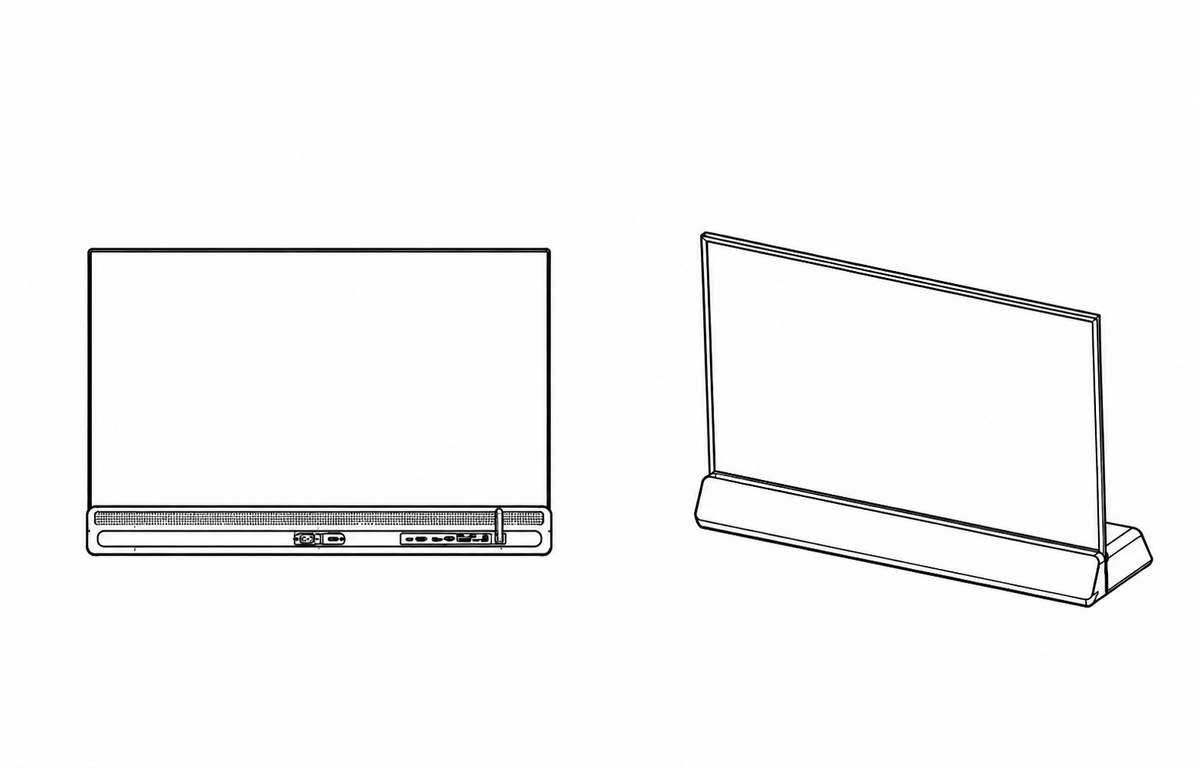
A Low Base Frames the Landscape Image
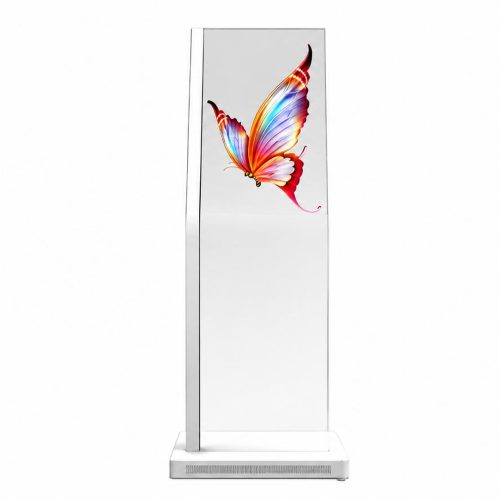
The white base extends beneath the screen, combining a sloping front surface with a straight upper edge. Viewed from the front, the wide image area remains the dominant visual feature, while the base gives the unit a defined position on the tabletop.
This format can be incorporated into the design of custom presentation counters, brand experience tables, or permanent display furniture. Furniture designers can use the complete equipment dimensions to plan tabletop depth, cable exits, and maintenance access.
For a luxury retail transparent OLED showcase project, countertop finishes, background lighting, and content colors can establish a coordinated appearance. The equipment itself is a desktop display structure; any glass enclosure, security system, or enclosed showcase needs to be planned separately.
Support Both Initial Attention and Closer Discussion
A wide screen can serve different stages of the viewing experience. A recognizable product image introduces the subject, while detail pages support conversations with visitors who move closer. Revealing information progressively gives presenters a manageable pace.
For a fragrance collection, an opening sequence might show the complete bottle range before moving to one product and introducing its scent notes or design theme. Staff can then continue with sampling and selection advice. This is an example of content that can be produced for the installation, rather than a catalog supplied with the equipment.
For self-directed browsing, the specification lists 10-point capacitive touch, with a non-touch option available. Suitable software can provide collection selection and product-detail navigation. Where several visitors share the screen, the interaction flow should make control clear and avoid conflicting inputs.
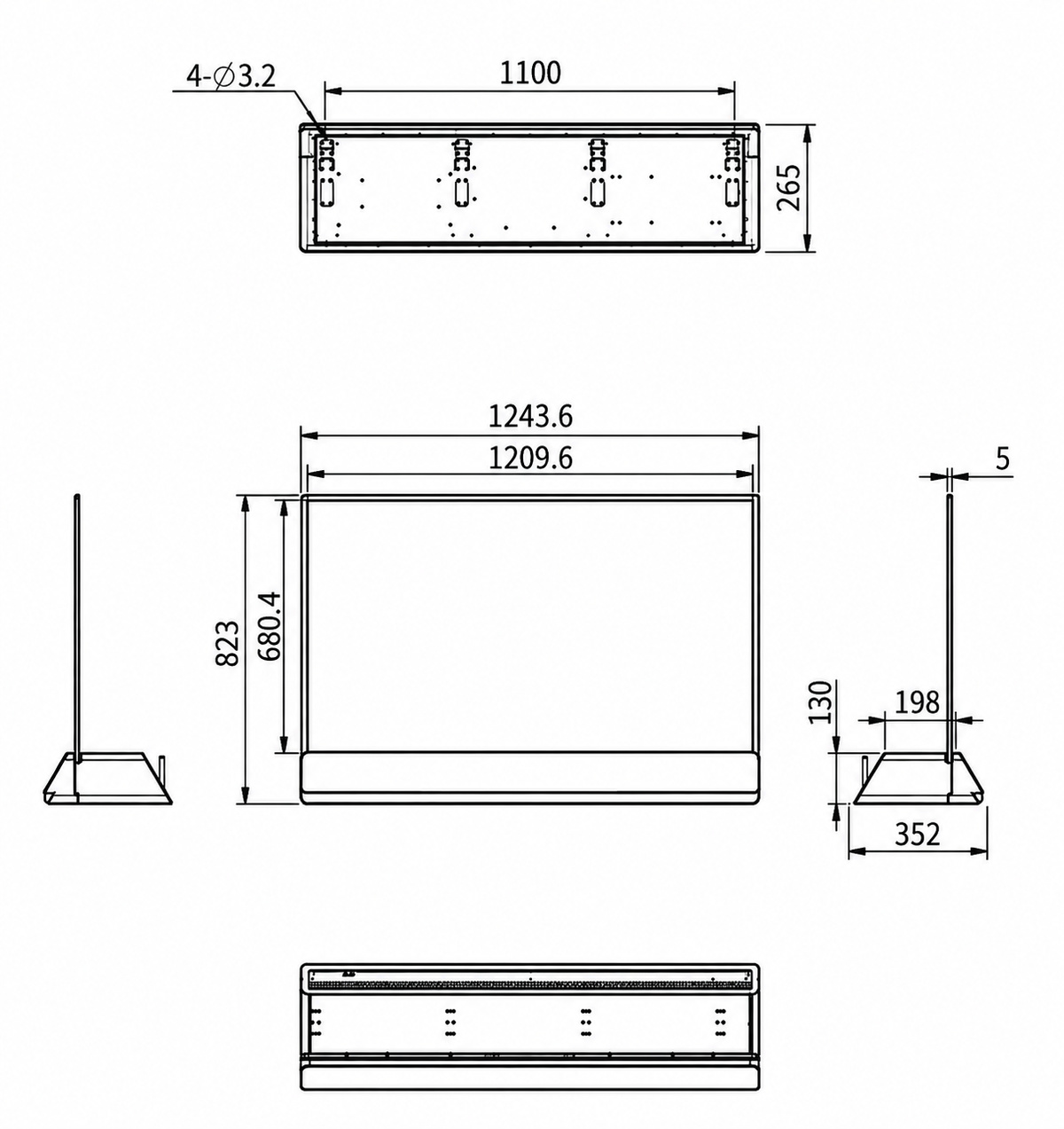
Plan the Presentation and Its Daily Use Together
Optional PC and Android configurations allow the system to be selected around video playback, interactive presentations, and application requirements. Built-in dual speakers can accompany the visuals with audio, with volume and presentation style adjusted to the setting.
Permanent installations also benefit from a content update plan. New releases, seasonal themes, and featured collections can give the same display position an ongoing role in brand campaigns. Playback software, update methods, and any remote management requirements should be confirmed during planning.
Share the display furniture dimensions, the collection you intend to present, and the main viewing distance. We can help define an equipment configuration and visual layout that give your products a clear focus across a wide transparent canvas.