How does a butterfly open its wings? What makes a flower’s structure distinctive? How does a mechanical component move? A short animation can make these subjects easier to understand, especially when each has a dedicated place for visitors to explore.
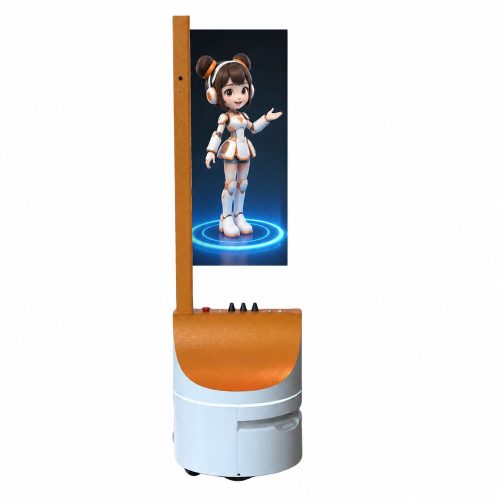
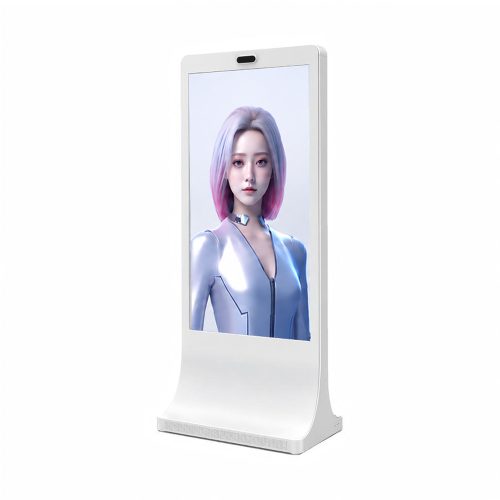
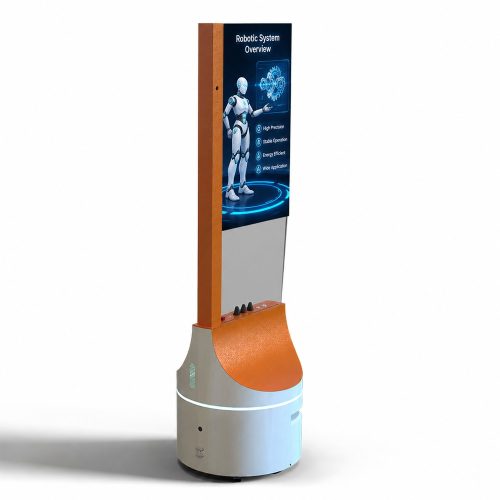
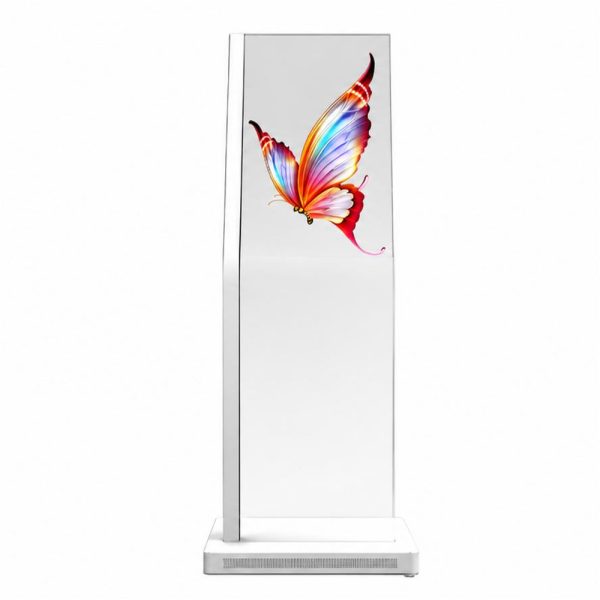
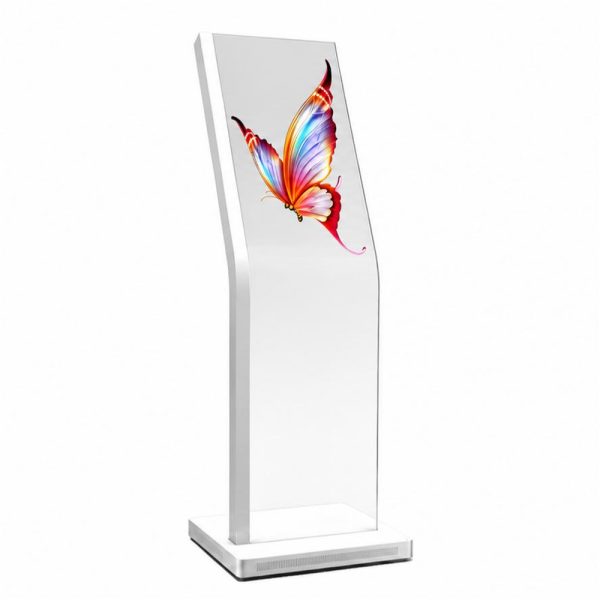
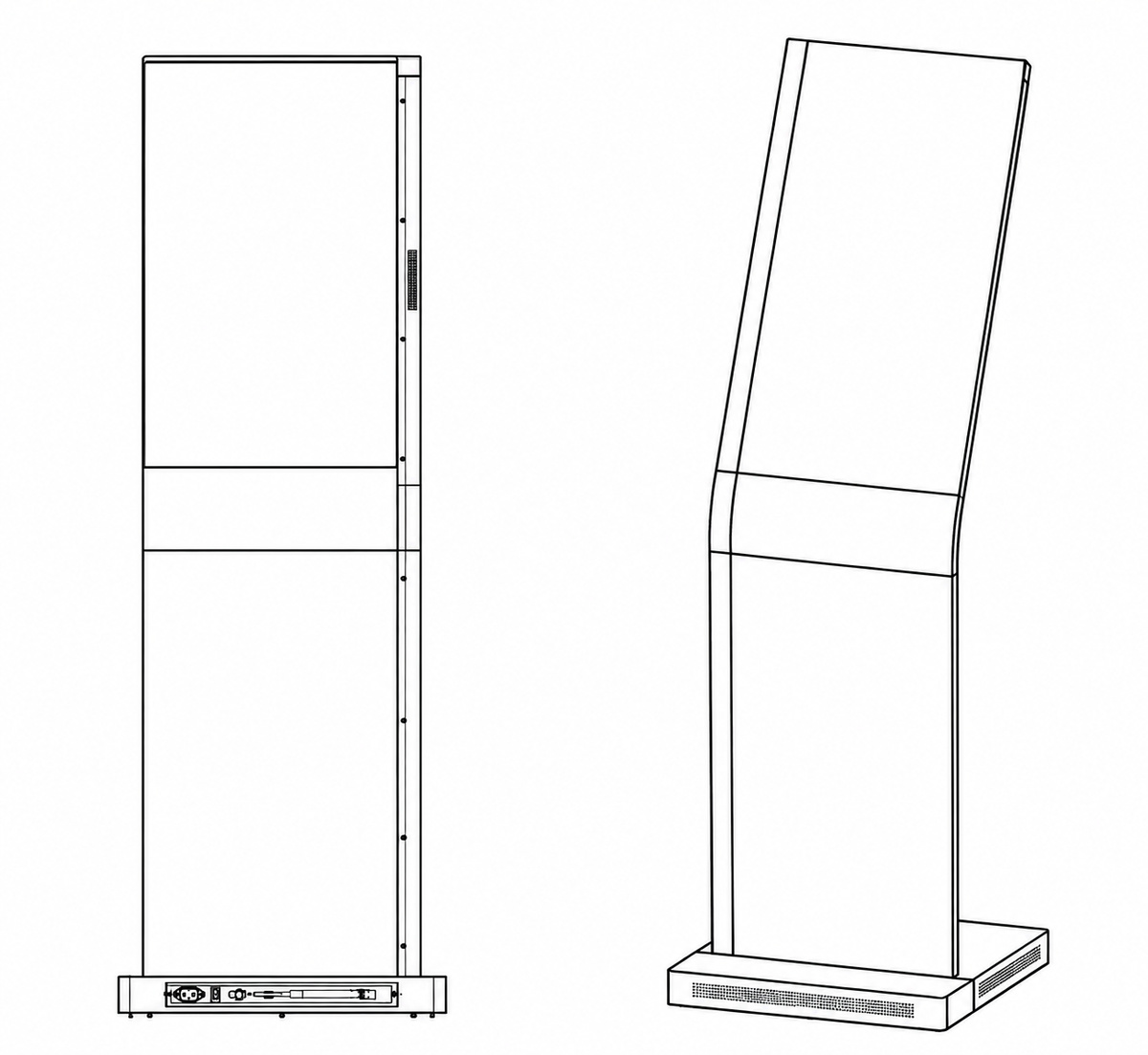
This 30-inch floor-standing transparent OLED display places the image area in the upper section of a sculpted enclosure, above a transparent lower structure and white base. The Transparent Display Stand can serve as an individual station for brief demonstrations, educational content, and touch-based exploration.
A Distinctive Profile for an Individual Exhibit
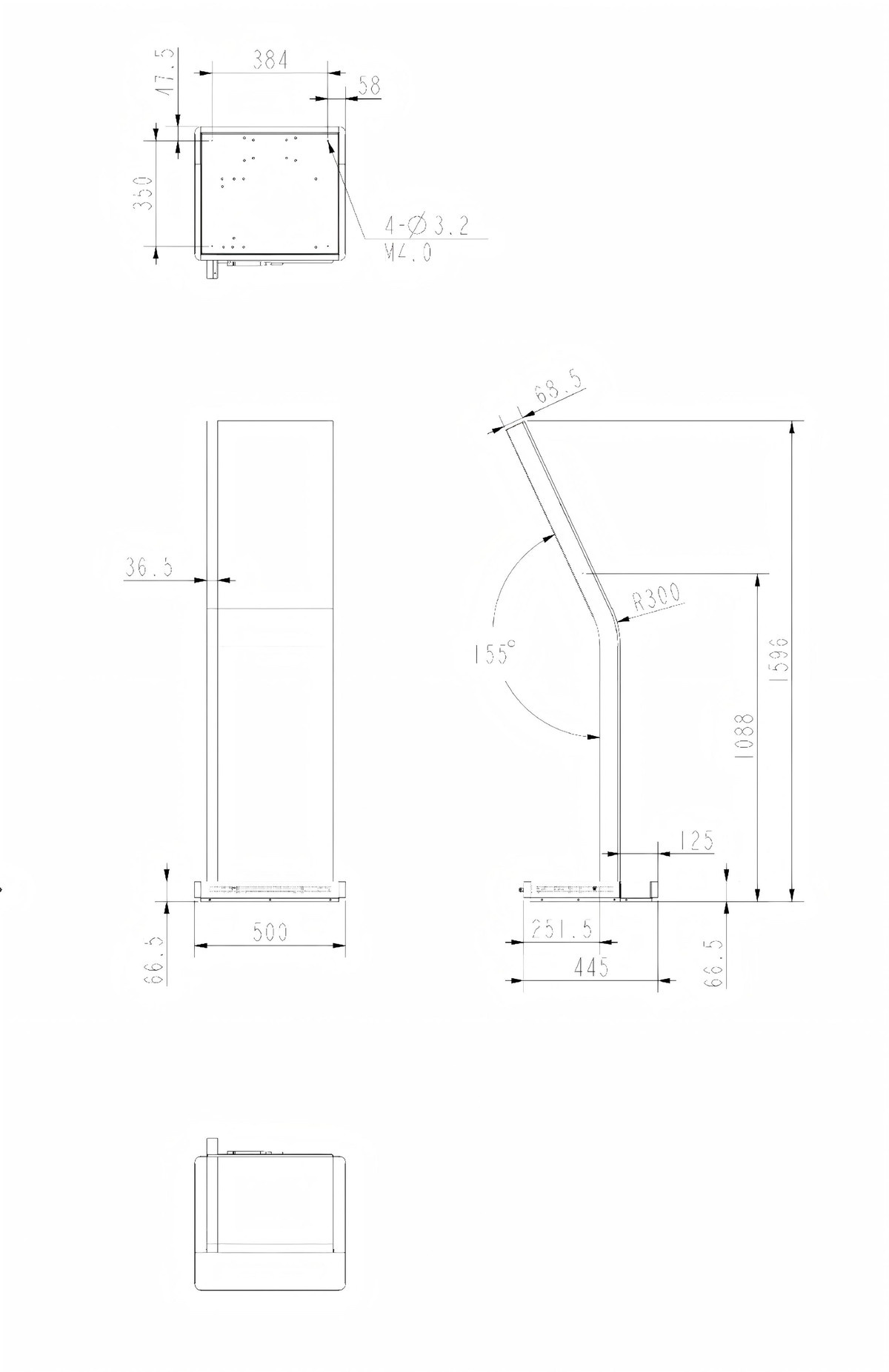
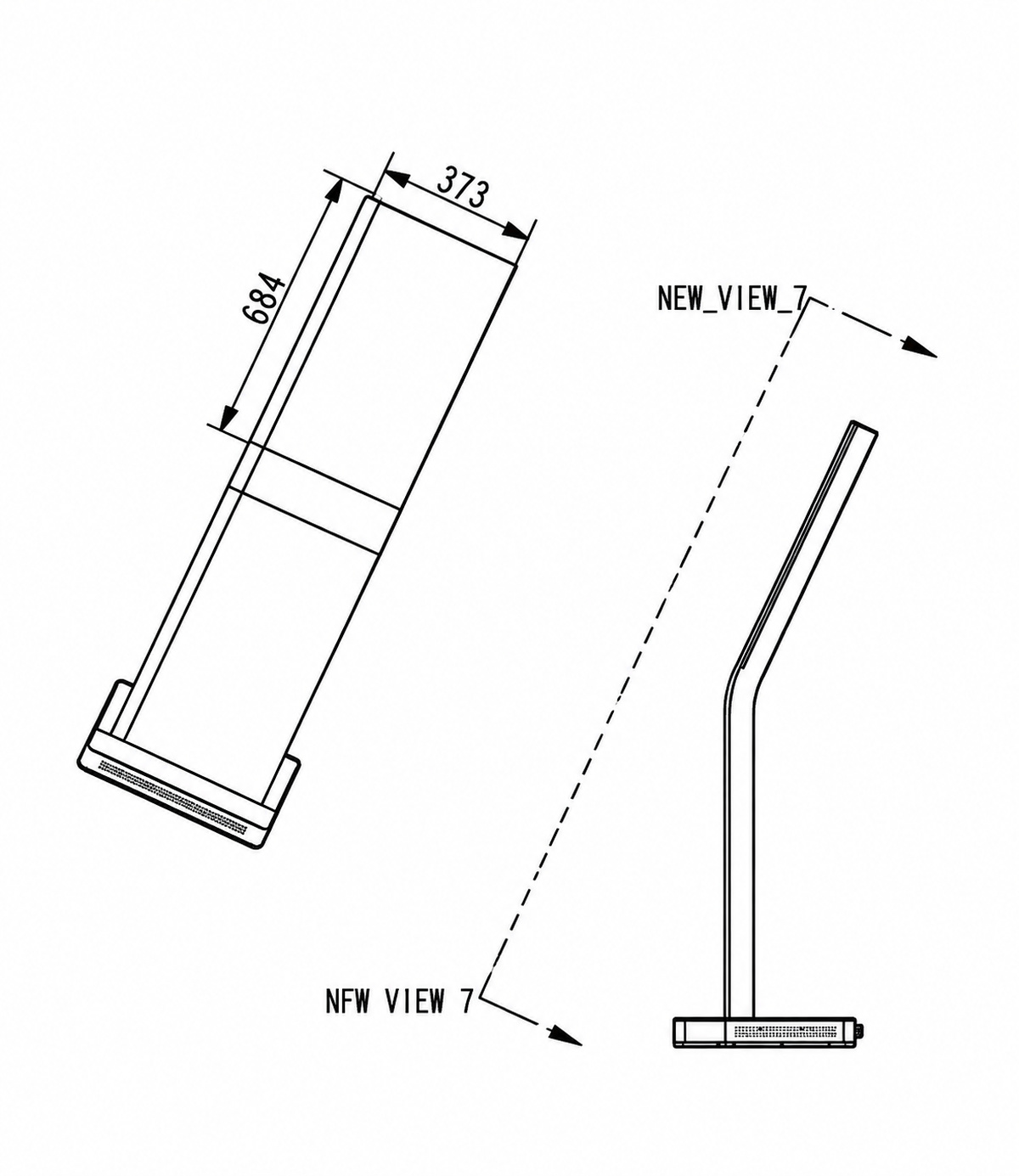
Viewed from the side, the upper section leans backward, with a curved transition leading into the lower support. White framing follows the outline and meets a rectangular floor base, giving the equipment a recognizable side profile.
The format can accompany a physical exhibit as a separate information station. The screen introduces a subject, while a nearby object, model, or interpretation panel provides further context. Visitors can connect the digital explanation with what they see in the exhibition.
Content should be mapped to the confirmed active image area. The transparent lower section shown in the product photograph should not be assumed to display imagery. Production should follow verified drawings for image position, dimensions, and orientation.
Let Each Touch Reveal One Discovery
An educational experience can begin with a question rather than a complex menu. A visitor selects an answer or topic, watches a short demonstration, and receives a clear option to explore further.
A butterfly exhibit might introduce the complete insect before offering views of wing patterns, body structure, or flight movements. A mechanical presentation could show an assembled component, followed by an animation explaining how its parts work together. Each step has one purpose, making the next action easy to understand.
For a science center interactive transparent OLED project, a question–action–feedback structure provides a useful content framework. Touch hardware receives the input; animations, educational material, and interface responses require suitable application software.
Use Transparency to Frame the Subject
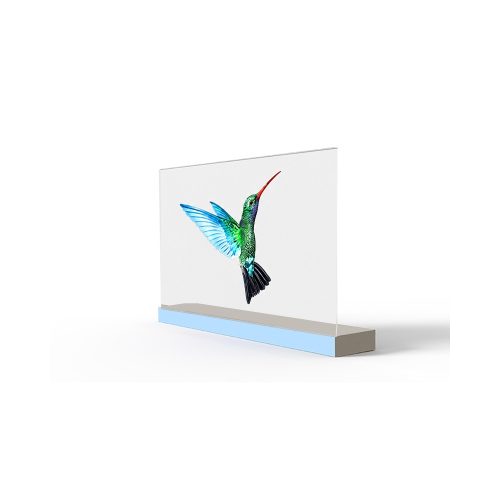
Transparent OLED allows the animated subject and the environment behind it to share the viewer’s field of vision. Butterfly wings, botanical outlines, and mechanical drawings offer starting points with defined edges. Subject scale, movement, and surrounding empty space can establish a clear focus.
The background influences the result. Dense text, strong lighting, or frequent movement behind the panel may compete with details. Exhibition planning should treat that background as part of the composition and check readability in the intended setting.
Where adults and children use the same station, viewing heights and touch reach deserve separate consideration. Key control positions should be validated through practical use.
Give Each Station a Complete Short Story
The equipment uses a 30-inch OLED panel with a native resolution of 1366 × 768. The specification lists 10-point capacitive touch and a non-touch option. Clear graphics, concise text, and a limited number of steps suit a focused exhibit theme.
Looping demonstrations can use an appropriate playback configuration. Selecting chapters or triggering animations requires application software and a compatible PC or Android configuration to be specified together. Built-in dual speakers can support narration, with audio levels and captions planned around neighboring exhibits.
Begin with a sequence visitors can understand in a brief encounter, then offer additional detail for those who stay. Share the subject material, intended age group, and proposed interactions to develop the presentation and application scope for this 30-inch floor-standing unit.